


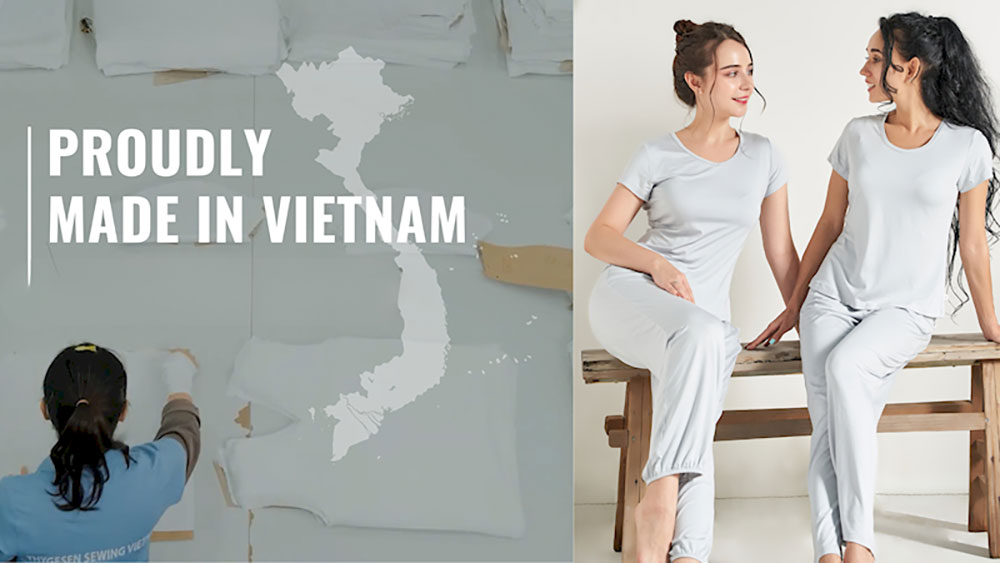

Vietnam is becoming increasingly popular as a destination for bamboo pajama manufacturing, attracting brands from around the world. This growth is driven by global shifts in sleepwear production, as companies seek cost-effective, high-quality, and sustainable options. For fashion brands, understanding the key considerations when partnering with a Vietnamese manufacturer can help ensure smooth production, consistent quality, and reliable delivery.
Global Shifts in Garment Manufacturing: Vietnam on the Rise
Vietnam has recently surpassed Bangladesh to become the world’s second-largest garment exporter, behind only China, according to the World Trade Organization (WTO). Driven by significant order shifts and strong growth in 2024, the industry reached $44 billion in revenue. This momentum is largely fueled by high demand from key markets, including the United States, which remains the largest buyer followed by the European Union, Japan, and South Korea.
Well-known global brands like Victoria’s Secret, H&M, and Uniqlo have set up significant manufacturing operations in Vietnam to take advantage of its skilled workforce and technical know-how. At the same time, sustainable-focused labels such as Australia’s Boody and several premium European loungewear brands are increasingly choosing Vietnam.
These figures highlight Vietnam’s growing influence in global apparel manufacturing and underscore the ongoing shifts in sleepwear production.
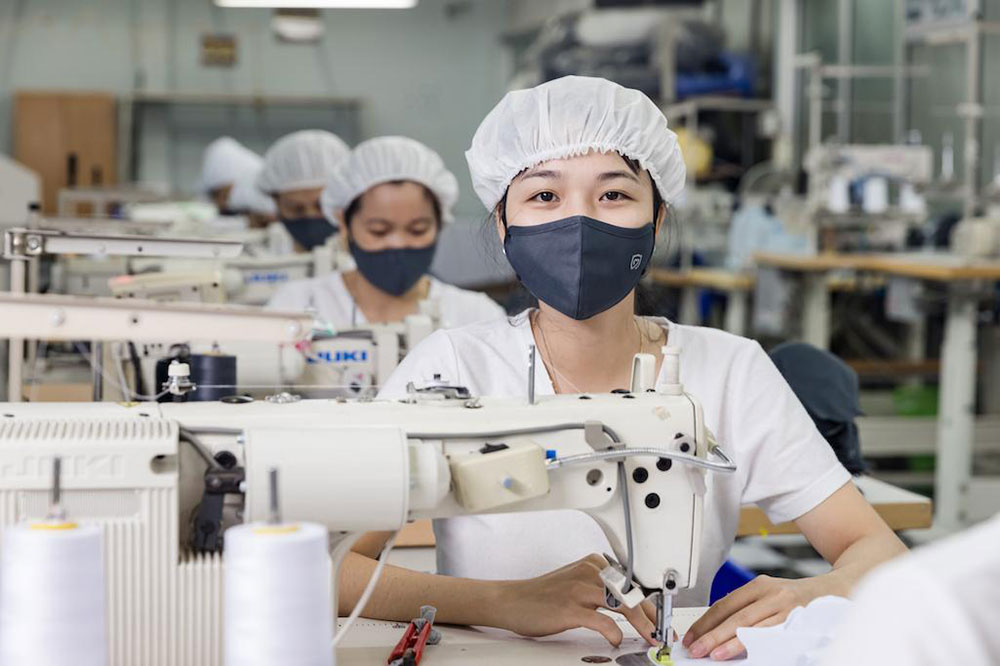
Vietnam has recently surpassed Bangladesh to become the world’s second-largest garment exporter, behind only China.
Vietnam’s Advantages for Bamboo Pajama Production
Vietnam is quickly gaining recognition as a preferred destination for bamboo pajama production. For brands sourcing a long-term pajama manufacturer, Vietnam combines skilled labor, certified bamboo fabric suppliers, and production scalability that supports sustainable growth. Key advantages include:
- Stable Business Environment: With political stability and a supportive manufacturing ecosystem, Vietnam offers a dependable setting for long-term apparel production.
- Trade Benefits: Free trade agreements with major markets like the EU and UK help brands reduce tariffs and reach international customers more competitively.
- Cost-Effective Production: Lower labor and overhead costs, along with incentives for manufacturers, allow brands to maintain quality without inflating prices.
- Certified Materials and Supply Chain: Vietnam has a growing network of suppliers that can provide certified fabrics, including sustainable bamboo options, ensuring ethical and high-standard production.
- Focus on Sustainability and Ethics: Factories increasingly follow fair labor practices and environmentally responsible processes, meeting the expectations of conscious consumers.
- Skilled Workforce: Experienced workers bring precision and care to delicate fabrics, supporting intricate designs and maintaining consistent quality.
- Global Reputation: “Made in Vietnam” is becoming a mark of quality and reliability, helping brands build trust with international customers.
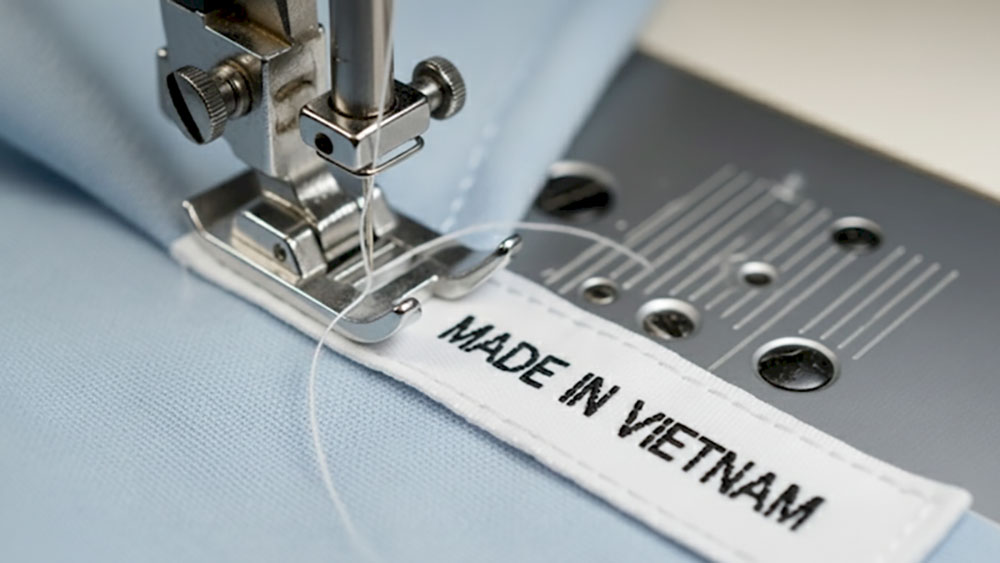
Made in Vietnam” is becoming a mark of quality and reliability, helping brands build trust with international customers.
Key Consideration When Partnering with a Vietnam Bamboo Pajama Manufacturer
When working with a Vietnam-based bamboo pajama manufacturer, brands should look beyond simple cut-and-sew capabilities. Choosing the right partner can make a significant difference in quality, efficiency, and overall production success. Key considerations include:
- Support and Advisory: The ideal manufacturer should not only handle cutting, sewing, and assembly but also offer guidance on design development, fabric sourcing, and tariff policy, logistics etc. They can advise on import/export procedures, customs regulations, and production planning, helping brands navigate complexities and avoid costly delays.
- Transparent and Reliable Supply Chain: Especially for European brands, supply chain transparency is increasingly critical. Being able to trace material origins and verify supplier practices ensures compliance with initiatives like the EU Green Claims Directive or Digital Product Passport, while reinforcing consumer trust in sustainable products.
- Consistent Quality at Scale: Many brands offshore production to reduce costs through large-volume manufacturing. Maintaining consistent quality across all units is crucial, as even minor variations can affect brand reputation, customer satisfaction, and long-term profitability.
- Effective Communication: Clear, reliable communication is essential when managing remote production. Establishing a common language – typically English – and structured communication channels ensures both parties can track progress, resolve issues quickly, and maintain alignment throughout the production process.
- Cost Considerations Beyond Price: Low unit price alone doesn’t guarantee value. Total Cost of Ownership (TCO) should factor in potential hidden costs like quality issues, reworks, delayed shipments, complex logistics, inconsistent suppliers, and compliance risks. A manufacturer who can help optimize processes and minimize these factors provides far greater value than a lower quote alone.
In summary, Vietnam is becoming an increasingly popular destination for bamboo pajama production thanks to its skilled workforce, reliable supply chains, trade benefits and stable business environment. Partnering with the right manufacturer can help brands ensure consistent quality, efficient production, and transparency, while reducing risks and simplifying operations. By choosing a capable and trustworthy partner, brands can confidently bring high-quality, sustainable sleepwear to their customers.