


BUSINESS
NEWS
Why Many Veterans Don’t Maximize Their Benefits and What Needs to Change
By Peter DuncanWestport’s Michael Gold: Why Transparency Is the Most Underrated Asset in Wealth Management
By Michelle KellettHow to Successfully Scale Your Business
By Hazel SaundersCLIMATE
CHANGE
The Rise of Ecotourism: How Traveling Responsibly Can Preserve Our Planet
By Dennis KellerChina’s Water Supply Carbon Emissions Rise With Economic Growth
By Yves Ducrot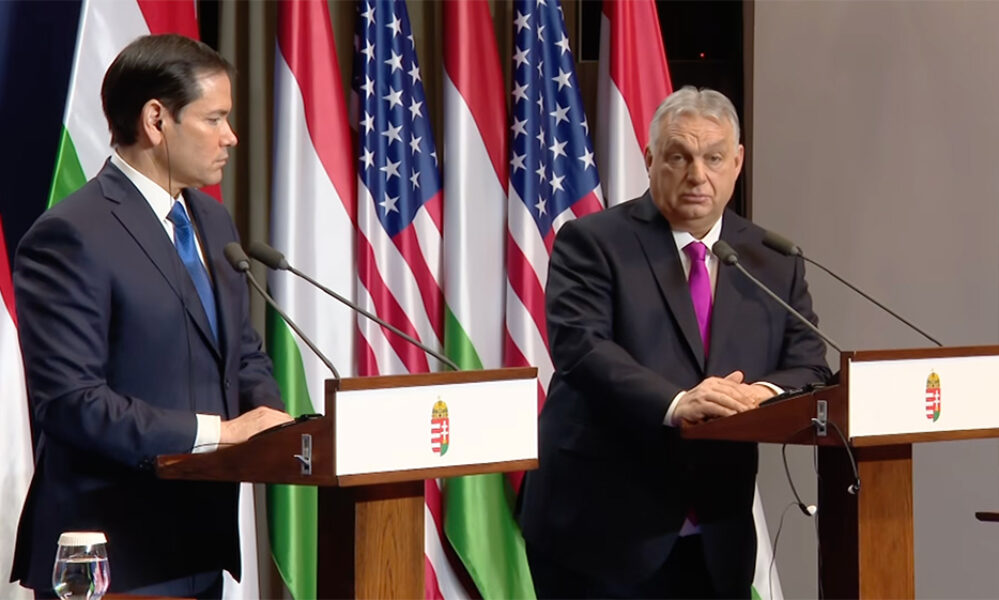
Secretary of State emphasizes cooperation on security, energy, and regional stability during Budapest visit
U.S. Secretary of State Marco Rubio and Hungarian Prime Minister Viktor Orbán underscored the need to strengthen bilateral relations during a joint press availability in Budapest, signaling closer cooperation between Washington and Budapest on security, energy, and geopolitical issues.
Speaking after their meeting, Rubio highlighted Hungary’s strategic importance in Central Europe and emphasized the need for strong partnerships to address ongoing global challenges.
The joint appearance comes amid a broader diplomatic tour by the secretary of state, who has been engaging European leaders on issues including the war in Ukraine, energy security, and regional stability. Hungary’s geographic position and political influence within the European Union make it a key partner in those discussions.
Rubio stressed the importance of collaboration among allies to ensure stability across Europe and to address security threats. He also pointed to economic and energy cooperation as areas where the two nations can deepen ties.
Orbán welcomed the strengthened relationship with the United States, describing cooperation with Washington as vital for Hungary’s economic growth and national security priorities. The Hungarian leader has sought to position his country as a bridge between East and West while maintaining strong national sovereignty.
The press availability also touched on ongoing diplomatic efforts related to…




PUBLIC
INTEREST
DHS and ICE Sound Alarm on ‘Sanctuary Calamity’ in California

The U.S. Department of Homeland Security and U.S. Immigration and Customs Enforcement (ICE) have issued a rare and urgent call to Governor Gavin Newsom and California officials regarding concerns about sanctuary policies and public safety, according to federal officials.
In a statement published this week, DHS and ICE described…
Export Heavy States Face Higher Risk as US Tariffs Reshape Global Trade

Several U.S. states are at risk of disproportionate effects from rising global trade tensions, as new tariffs threaten export demand, according to a new study examining state-level trade performance.
The research highlights which states generate the strongest export surpluses per capita, revealing how exposed certain regional economies may be if…
CULTURE
NEWS
A Night Where Cuisine Becomes Canvas: My Evening With Food Art and Chef Joe Ciminera
By Dennis KellerTheater Resources Unlimited’s TRU Love Honors Bonnie Comley, Tonya Pinkins, and Stewart F. Lane
By Erich RüthersRH
FINANCIAL
Why Many Veterans Don’t Maximize Their Benefits and What Needs to Change
According to news published by the Department of Veterans Affairs, the VA processed more claims
Westport’s Michael Gold: Why Transparency Is the Most Underrated Asset in Wealth Management
Wealth management firms are racing to meet new transparency requirements around data usage and fees,

THIS WEEK'S HEADLINES
Senior advisor tells lawmakers that supporting troops and families is essential to readiness and national security
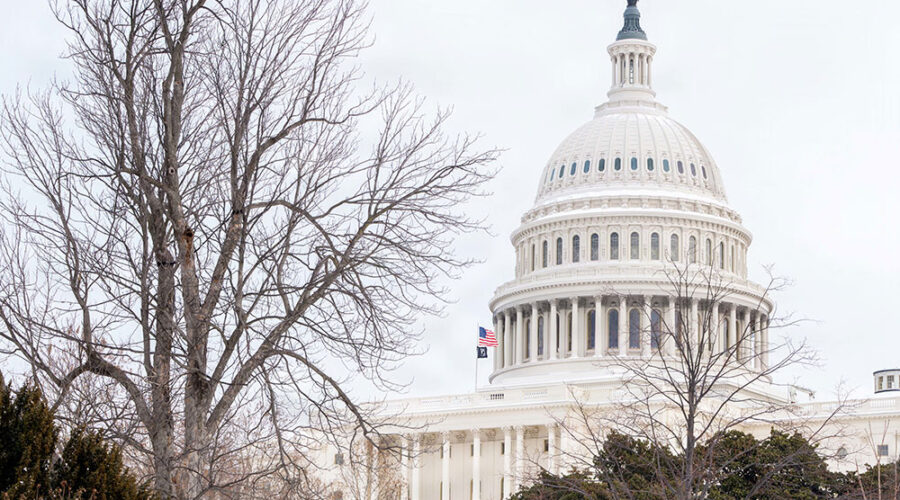
Senior Enlisted Advisor to the Chairman David L. Isom testified before the Senate Armed Services Committee this week, emphasizing that the strength of the U.S. military depends on the well-being of its service members and their families.
Speaking to the committee’s personnel subcommittee on February 11, Isom said that warfighters remain the foundation of national defense capability and that improving quality of life is essential to maintaining a ready and effective force.
“Humans are more important than hardware,” Isom told lawmakers, highlighting that military strength ultimately comes from the people who serve rather than from equipment alone.
The hearing brought together senior enlisted leaders from across the armed forces, including representatives from the Army, Navy, Marine Corps, Air Force, and Space Force, to address issues affecting service members and their families.
Isom outlined three core priorities for military leadership moving forward:
- Ensuring the joint force is properly equipped with the capabilities needed to fight and win
- Strengthening global integration with allies, industry partners, and interagency organizations
- Building and sustaining a ready force through training and preparation
He stressed that each of these priorities is underpinned by the need to recruit and retain talent by supporting troops and their families.
“We recruit America’s best, and we must retain this talent by taking care of them and their families,” Isom said.
The testimony reflects growing recognition among military leadership that quality-of-life issues, such as family support, stability, and long-term readiness, are directly linked to operational effectiveness.
The Senior Enlisted Advisor to the Chairman is the most senior enlisted position in the U.S. Armed Forces and serves as the primary spokesperson for enlisted personnel at the highest levels of defense leadership.
Lawmakers continue to examine how…
CURRENT EDITION




Traveling has long been a means to explore the world and discover new places, but with the increasing awareness of environmental degradation, the tourism industry is being called to rethink its impact. While tourism offers economic benefits and cultural exchange, it also contributes to significant environmental problems, such as pollution, habitat destruction, and resource depletion. In response, a movement known as ecotourism has risen to the forefront as a solution that seeks to minimize these negative impacts and promote sustainability.
Ecotourism focuses on responsible travel practices that protect the environment, empower local communities, and allow travelers to engage with the natural world in meaningful ways. It is a crucial model for preserving our planet’s delicate ecosystems and ensuring that tourism benefits both people and the environment. In this article, we will explore what ecotourism is, how it supports conservation, the economic benefits it offers to local communities, and how destinations like Ecuador are leading the charge in ecotourism.
What is Ecotourism?
Ecotourism is defined as a form of responsible travel to natural areas that conserves the environment, respects local cultures, and supports the well-being of local communities. Unlike conventional tourism, which often exploits resources and contributes to environmental harm, ecotourism prioritizes the health of ecosystems and minimizes the footprint left by travelers. It encourages education, environmental responsibility, and direct engagement with nature, allowing travelers to appreciate and understand the importance of preserving the places they visit.
The primary principles of ecotourism include:
- Environmental sustainability: Reducing the environmental impact of tourism activities, including waste management, energy consumption, and minimizing…
MORE ARTICLES
China’s Water Supply Carbon Emissions Rise With Economic Growth

David Duong: From Vietnamese Refugee to the ‘King of Trash’

Satellites Now Track Decades of Forest Growth From Space


According to news published by the Department of Veterans Affairs, the VA processed more claims for benefits in 2025 than in any previous year, in part due to an effort to clear backlogged claims. The VA reports a drop in backlogged claims from late January to mid-November 2025 of more than 150,000 claims.
Such figures provide some context for the number of claims in the system, but even with numbers in the hundreds of thousands, overall benefits fall short. Over 13 million veterans are underrated or missing benefits, not because they don’t deserve them, but because applying for, claiming, and maintaining benefits can be a long and complex process.
Lack of awareness and reporting, weak medical evidence, poor information, and other factors can cause veterans not to maximize benefits. Helping vets get the benefits they deserve can improve long-term outcomes related to financial stability, access to healthcare, and quality of life.
The Most Common Reasons Veterans Don’t Maximize Benefits
Awareness of benefits, knowing when to report issues, and good application processes can help maximize benefits.
Lack of Awareness
Many veterans miss out on benefits because they don’t know what’s eligible. Conditions they may have lived with for years, like sleep issues, joint pain, migraines, or mental health symptoms, might qualify. However, they’re often dismissed as part of normal life during or after service.
Many people aren’t aware that secondary conditions, like those linked to…
CURRENT EDITION
Westport’s Michael Gold: Why Transparency Is the Most Underrated Asset in Wealth Management
Wealth management firms are racing to meet new transparency requirementsHow to Successfully Scale Your Business
Scaling is not just doing more of everything. It isJP Conte: Why 76% of Professionals Need Mentors But 54% Don’t Have One
Three-quarters of working professionals believe mentorship matters for their careerHow Virtual Office Solutions Support Growing Businesses
In today’s competitive and fast-moving business landscape, flexibility is noHow Skilled Trades Are Shaping the Future of Construction and Infrastructure
The construction and infrastructure sectors have always been critical toNew York Ranks Among Most Expensive States for Returning to the Office Despite Heavy Public Transit Use
New York remains one of the most expensive states in
- Loading stock data...



EDITOR'S
CHOICE

How Plastic Extrusion Is Powering Modern Manufacturing Across Industries

WEATHER
TODAY
RH
NEWSROOM
-



Why Many Veterans Don’t Maximize Their Benefits and What Needs to Change
Peter Duncan | RH

GameZone Promo Sections You Should Check Out
Michael Bentley | RH
-
-
Producer, Songwriter Izzat Music Video Scores Big with US Retail Chains
Trending on Social Media
-
Collectors Gather in Vegas for Sir Anthony Hopkins Art Exhibition
Trending on Social Media
-
Bob Marley’s Legend Turns 35
Trending on Social Media
-
Forrester Releases 2020 Predictions
Trending on Social Media
-
Ora Industries Leads the Way in Sustainable Fashion With Exceptional Premium Vintage Selection in Los Angeles