


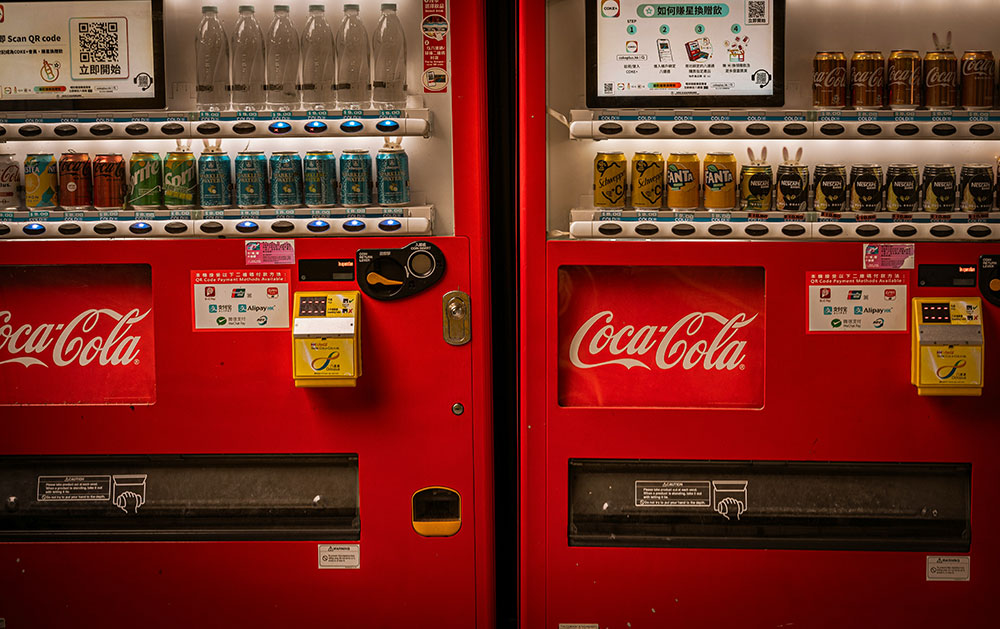

Picture this: you’ve just bought your first vending machine. It’s shiny, freshly stocked, and perfectly placed in what you believe is a high-traffic location. You lock it up, walk away, and your imagination races. You see coins clinking, notes sliding in, and sales piling up while you sleep. Passive income at last! But then comes the question every vending machine entrepreneur secretly asks themselves—when does the money really start rolling in? When does your vending machine actually start printing money?
The truth is, vending machines don’t work like slot machines. They don’t make you rich overnight. But with the right strategy, awareness of hidden costs, and an understanding of how to measure ROI (return on investment), a vending machine can be one of the most consistent and profitable small businesses you’ll ever own. The secret lies in knowing what nobody tells you upfront. And that’s exactly what we’re going to unpack in this article.
So if you’ve been googling vending machine success stories, trying to calculate profits in your head, or even flipping through a complete vending machine business cost guide and still wondering how the numbers play out in real life, you’re in the right place. Let’s pull back the curtain on the ROI secrets that separate dreamers from successful vending entrepreneurs.
The Real ROI Question: Time vs. Money
When people ask, “How soon will my vending machine pay for itself?” they’re really asking about ROI. ROI is the ratio of your profit to your investment. But unlike a traditional business with massive overheads, vending machines live in a unique sweet spot—low operating costs, predictable demand, and 24/7 availability.
Here’s the catch: your ROI isn’t only about how much money you make. It’s also about how quickly you recover your upfront costs. That means you need to understand the time horizon. A vending machine might cost you anywhere from $3,000 to $10,000 depending on its size, technology, and customization. Then you add in stocking, transport, permits, and location fees. If your machine brings in $400 a month after costs, your breakeven point could be under a year. If it only brings in $150 a month, you might be looking at two or three years before you’ve made your money back.
The real secret? ROI is less about the machine itself and more about how you set up the ecosystem around it—location, products, pricing, and ongoing management.
The Hidden Startup Costs Nobody Mentions
If you’ve only crunched numbers based on how much a Coke sells for versus wholesale price, you’re missing the bigger picture. A vending business isn’t just about stocking snacks. It comes with hidden costs that eat into your ROI timeline. This is where having a complete vending machine business cost guide becomes invaluable—it forces you to think beyond the sticker price of the machine.
Some of the most overlooked costs include delivery and installation fees (some machines weigh over 800 pounds), electricity usage, cashless payment system upgrades, branding wraps to make your machine stand out, and even insurance. If you’re placing your machine in someone else’s location, many property owners will charge either a flat monthly fee or ask for a revenue share. Even just 10–20% of sales going back to the location can significantly impact your ROI timeline.
And then there’s maintenance. Imagine a bill acceptor jamming, a compressor going out on a refrigerated unit, or simply needing to restock more frequently than expected. The good news is, these costs are predictable and manageable once you’ve been in the game long enough. But in the early days, they surprise most new vendors—and that’s why many underestimate how long it takes to start making “real” money.
Location: The Decider of ROI Fate
You could buy the most advanced machine on the market, wrap it in neon graphics, and fill it with the trendiest products—but if it’s in the wrong spot, you’ll be waiting years to hit profitability. On the other hand, a basic machine stocked with chips and soda in a high-traffic breakroom could pay for itself in six months.
The secret ROI driver is foot traffic, but not all foot traffic is created equal. You want a steady stream of people who are likely to make impulse purchases. Office buildings, hospitals, schools, gyms, transportation hubs, and busy retail corridors are goldmines if you can secure them. But even within those categories, there are nuances. A machine in a school might sell out of healthier snacks quickly, while the same machine in a factory might do better with energy drinks and candy.
Location scouting isn’t glamorous, but it’s the unsung hero of vending ROI. Think of it this way: your machine is basically a tiny, unmanned store. You wouldn’t open a store in an alley with no foot traffic, so why would you put a vending machine in a dead spot? Successful vendors treat location selection like real estate—it’s all about visibility, convenience, and demand.

© Laura Thonne
Cashless Payments: The ROI Accelerator
Here’s another secret many rookies miss: cash is no longer king. Studies show that over 60% of vending purchases are now made with cards, mobile wallets, or tap-to-pay systems. If your machine doesn’t accept them, you’re leaving serious money on the table.
Sure, adding a cashless payment system can cost an extra $300 to $500 upfront, with some providers charging small transaction fees. But the ROI impact is huge. Cashless-equipped machines consistently outperform cash-only models, sometimes by 20–30%. That alone can shave months off your breakeven timeline.
It’s the kind of upgrade that feels like a luxury at first but becomes non-negotiable once you see the numbers. In fact, when you read a complete vending machine business cost guide, you’ll notice modern operators treat cashless capability as a standard, not an optional extra.
The Psychology of Pricing and Product Mix
ROI doesn’t just depend on how many sales you make—it depends on how much profit you keep from each sale. That’s where pricing strategy and product selection come in.
The secret is balancing high-demand items with high-margin items. For example, brand-name sodas and chips might sell fast, but the margins are slimmer because wholesale prices are higher. On the other hand, lesser-known brands, healthier snacks, or specialty items like protein bars might carry margins of 50% or more. A smart operator mixes both, ensuring the machine appeals to impulse buyers while maximizing profitability.
Don’t underestimate the psychology of pricing, either. Rounding to the nearest quarter makes transactions faster, but even small increases (say, $1.25 to $1.50) can have a massive cumulative effect on ROI when multiplied across hundreds of monthly sales.
The ROI secret here is simple: your vending machine isn’t just hardware—it’s a micro-retail business. And retail rules apply. The right products, at the right price, in the right location, determine how quickly that machine starts “printing money.”
The Myth of Passive Income
One of the biggest misconceptions about vending machines is that they’re 100% passive income. The dream of “set it and forget it” is tempting, but reality looks a little different.
Yes, vending machines require far less labor than running a café or convenience store, but they still need attention. You’ll need to restock, collect cash, troubleshoot issues, and build relationships with location owners. Depending on how many machines you run, this could be a few hours a week or several days a month.
The ROI truth is this: the more effort you put into maintaining and optimizing your machines, the faster they’ll pay themselves off. Machines neglected for too long run out of stock, break down, or lose customer trust—slowing your path to profitability.
So while vending is one of the most hands-off businesses out there, don’t mistake it for effortless. It’s semi-passive. And the operators who acknowledge this reality are the ones who scale fastest and enjoy the biggest returns.
Scaling: The Real Secret to “Printing Money”
Here’s the biggest ROI secret of all: one vending machine won’t make you rich. It might bring in a steady stream of income, but it’s when you scale to five, ten, or fifty machines that you start seeing exponential results.
Why? Because your costs don’t grow at the same pace as your revenue. Stocking ten machines doesn’t take ten times as long as stocking one. You can buy products in bulk at lower wholesale prices. You build relationships with suppliers and locations. You develop systems. Your ROI starts compounding.
Many operators find that their first machine takes the longest to pay off, but by the time they’re on their third or fourth, the timeline to profitability shrinks dramatically. That’s when the dream of vending machines “printing money” starts to feel very real.
How to Measure ROI Like a Pro
If you want to know exactly when your machine will start printing money, you need to track the right numbers. That means looking at not just gross sales but net profit after all expenses.
A simplified formula looks like this:
ROI (%) = (Net Profit ÷ Total Investment) × 100
Net profit should account for product costs, location fees, payment processing charges, electricity, maintenance, and depreciation of the machine itself. Without factoring these in, you’re fooling yourself with inflated numbers.
Here’s where a complete vending machine business cost guide proves its worth again—it forces you to calculate the true total investment and not just the sticker price of the machine.
The Bottom Line: Your Machine Can Print Money—If You Let It
So, when will your vending machine start printing money? The answer depends on you. With the right machine, location, pricing strategy, and cost awareness, you can see profitability in as little as six months to a year. Without those factors, you might be waiting two to three years—or worse, never recouping your investment at all.
The ROI secrets no one tells you are simple but powerful: it’s not the machine, it’s the ecosystem around it. Secure a great location, embrace cashless payments, manage your costs, optimize your product mix, and treat vending like the retail business it is. Do that, and your machines won’t just pay for themselves—they’ll become reliable, long-term income streams that feel very close to printing money.
The vending industry isn’t about luck. It’s about strategy. And once you master it, you’ll discover that what looks like a humble box of snacks and sodas is actually one of the smartest business investments you’ll ever make.