
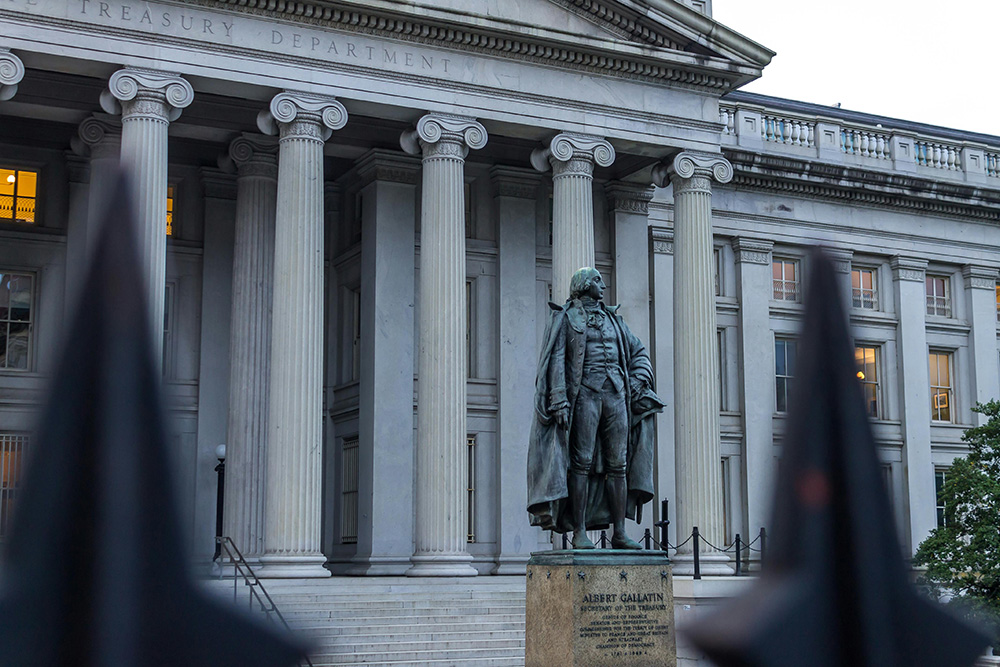

The U.S. Department of the Treasury has imposed sanctions on one of the Caribbean region’s largest cocaine trafficking networks, designating multiple individuals and entities for their roles in transporting multi-ton quantities of cocaine from Colombia through Costa Rica and onward to markets in the United States and Europe. The action was announced by the Treasury’s Office of Foreign Assets Control (OFAC) on January 22, 2026.
The sanctions respond to a growing role for Costa Rica as a key transshipment point in the global cocaine supply chain, and represent the latest coordinated effort by U.S. and international law enforcement to disrupt narcotics trafficking networks and their financial infrastructure.
Targets Include Key Leaders and Supporting Entities
Five Costa Rican nationals and five Costa Rica-based companies have been added to OFAC’s sanctions list for their involvement in drug trafficking and money laundering activities. At the center of the network is Luis Manuel Picado Grijalba, widely known as “Shock,” who U.S. authorities have identified as one of the most prolific cocaine traffickers operating in the Caribbean region. His brother, Jordie Kevin Picado Grijalba, also known as “Noni,” is similarly sanctioned.
The organizational network was responsible for importing cocaine into Costa Rica, storing it in warehouses nationwide and shipping it in containers to destinations in the United States and Europe. Security officials have noted that criminal groups have battled for control of key routes and facilities, including the port of Moín in Limón, which has become a strategic hub for cocaine transshipment since it opened in 2019.
In addition to the traffickers themselves, OFAC designated several family members and business associates who allegedly played roles in laundering proceeds or facilitating the network’s operations. These include the wife and mother-in-law of “Shock,” who are accused of using their businesses to process illicit funds.
U.S. Government Response and Law Enforcement Cooperation
The sanctions are part of a broader effort led by a Homeland Security Task Force working in cooperation with the Drug Enforcement Administration (DEA) offices in Costa Rica and the United States, Costa Rica’s Office of the Attorney General, the Drug Control Police, the Office of Judicial Investigation, the Public Force, and the Financial Intelligence Unit. This multi-agency operation has included arrests, seizures and ongoing investigations into transnational narcotics flows.
Treasury Secretary Scott Bessent stated that the United States will continue to pursue criminal networks that fuel addiction and violence in communities both domestically and abroad, and emphasized that every link in the drug supply and financial chain is subject to enforcement action.
Implications of the Sanctions
Under the sanctions, any assets belonging to the designated individuals or entities that are within U.S. jurisdiction are frozen and U.S. persons are generally prohibited from engaging in transactions with them. These measures are designed to cut off access to the international financial system and to inhibit the traffickers’ ability to move funds and coordinate operations.
Previous Treasury actions under the same Executive Order have targeted other traffickers and enablers connected to Costa Rica’s narcotics trade, including Gilberto Hernan de Los Angeles Bell Fernandez and others identified for facilitating significant cocaine movements.
The designation underscores ongoing concerns about Costa Rica’s role as a strategic point in cocaine trafficking networks linking South America to North America and Europe, and highlights the sustained cooperation between U.S. and Costa Rican authorities to combat transnational crime.