


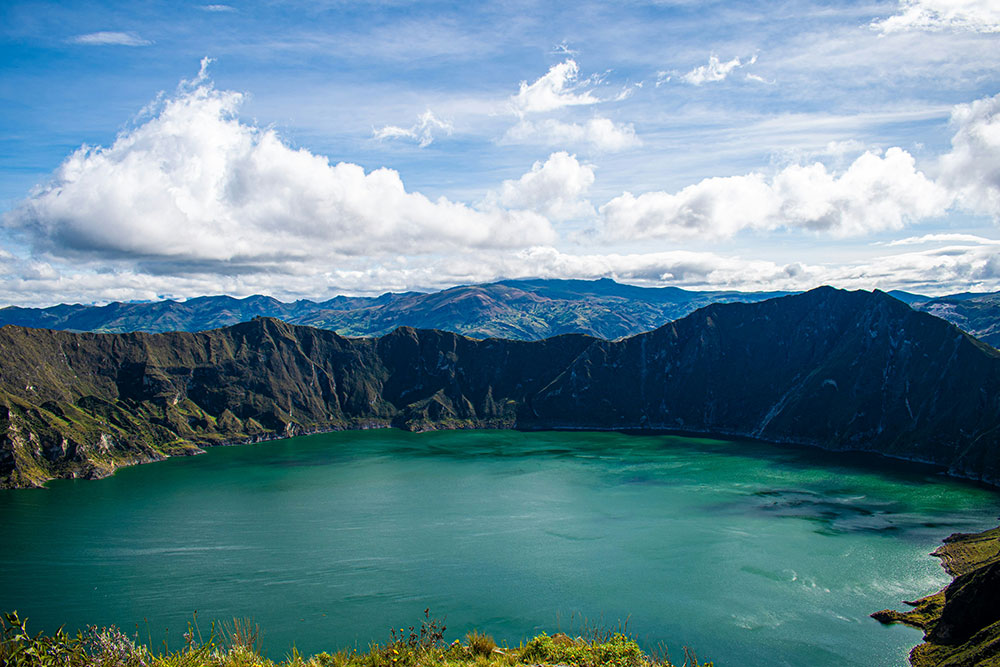

Traveling has long been a means to explore the world and discover new places, but with the increasing awareness of environmental degradation, the tourism industry is being called to rethink its impact. While tourism offers economic benefits and cultural exchange, it also contributes to significant environmental problems, such as pollution, habitat destruction, and resource depletion. In response, a movement known as ecotourism has risen to the forefront as a solution that seeks to minimize these negative impacts and promote sustainability.
Ecotourism focuses on responsible travel practices that protect the environment, empower local communities, and allow travelers to engage with the natural world in meaningful ways. It is a crucial model for preserving our planet’s delicate ecosystems and ensuring that tourism benefits both people and the environment. In this article, we will explore what ecotourism is, how it supports conservation, the economic benefits it offers to local communities, and how destinations like Ecuador are leading the charge in ecotourism.
What is Ecotourism?
Ecotourism is defined as a form of responsible travel to natural areas that conserves the environment, respects local cultures, and supports the well-being of local communities. Unlike conventional tourism, which often exploits resources and contributes to environmental harm, ecotourism prioritizes the health of ecosystems and minimizes the footprint left by travelers. It encourages education, environmental responsibility, and direct engagement with nature, allowing travelers to appreciate and understand the importance of preserving the places they visit.
The primary principles of ecotourism include:
- Environmental sustainability: Reducing the environmental impact of tourism activities, including waste management, energy consumption, and minimizing disruption to ecosystems.
- Cultural respect: Engaging with and learning from local communities, while ensuring that tourism benefits them economically and culturally.
- Education and awareness: Educating travelers about the natural environment and the challenges it faces, fostering a sense of responsibility.
How Ecotourism Supports Conservation
Ecotourism plays a crucial role in conservation efforts by providing both direct and indirect benefits to the environment. By supporting wildlife reserves, national parks, and protected areas, ecotourism generates much-needed revenue that can be reinvested into conservation projects and environmental protection initiatives. Moreover, ecotourism creates a strong incentive for the preservation of habitats and biodiversity.
- Protecting Endangered Species
Many ecotourism destinations are home to endangered species that are at risk due to deforestation, poaching, and habitat destruction. Through responsible wildlife tourism, travelers can contribute to the funding of wildlife conservation projects and awareness campaigns. In return, they have the opportunity to witness these species in their natural habitat, fostering a deeper connection and appreciation for wildlife protection. - Preserving Habitats
Ecotourism helps protect natural habitats that are vital to biodiversity. In regions where tourism is centered around preserving nature, the revenue generated is often used to fund habitat restoration and management projects, helping to mitigate the effects of deforestation, mining, and urbanization. - Supporting Local Conservation Efforts
Ecotourism empowers local communities by providing jobs and funding for conservation initiatives. This ensures that local populations have a stake in preserving their environment, making them more likely to take an active role in protecting their natural resources.
The Economic Benefits of Ecotourism for Local Communities
One of the greatest advantages of ecotourism is the economic benefit it provides to local communities. As demand for sustainable travel experiences grows, destinations that focus on ecotourism have seen a boost in local employment opportunities, including in areas like hospitality, guiding, and conservation. This has a direct and positive impact on local economies, especially in remote areas where traditional industries may be limited.
- Job Creation and Income
Ecotourism generates employment opportunities in communities that might otherwise struggle economically. Guides, hospitality workers, conservation staff, and local artisans all benefit from the tourism economy. By choosing an ecotourism destination, travelers ensure that their visit helps create jobs for local people. - Investment in Infrastructure
The rise of ecotourism has spurred the development of sustainable infrastructure, such as eco-lodges, clean energy solutions, and environmentally-friendly transportation. These developments not only improve the experience for travelers but also raise the standard of living for local residents. - Empowering Indigenous Groups
Ecotourism can also provide opportunities for indigenous communities to share their culture and traditions with visitors. By engaging in ecotourism, these communities have the chance to maintain their cultural heritage while gaining economic independence.
Ecotourism in Ecuador: A Leading Example
Ecuador is a prime example of a country where ecotourism is thriving and contributing to both conservation and community development. Known for its incredible biodiversity, Ecuador is home to the Amazon Rainforest, the Andes mountains, and the Galápagos Islands, each of which offers unique opportunities for ecotourism. The country has fully embraced ecotourism in Ecuador as a tool for sustainable development, creating a model for other nations to follow.
In Ecuador, ecotourism plays a vital role in preserving delicate ecosystems while offering travelers an opportunity to connect with nature in meaningful ways. The Galápagos Islands, in particular, are a model for sustainable tourism. With its rich biodiversity and endemic species, the archipelago attracts travelers who are eager to experience nature while supporting local conservation efforts. The revenue generated from ecotourism in the Galápagos is reinvested into protecting the islands’ fragile environment and supporting scientific research.
Ecuador’s Amazon region also serves as a hub for ecotourism, where travelers can learn about the rainforest’s ecosystems and indigenous cultures while supporting sustainable agriculture and forest preservation. Eco-lodges in the Amazon offer responsible travel options, minimizing environmental impact while providing unique cultural and wildlife experiences.
Costa Rica: Another Success Story in Ecotourism
Costa Rica, like Ecuador, has become synonymous with ecotourism and sustainable travel. Known for its lush rainforests, abundant wildlife, and commitment to conservation, Costa Rica has made significant strides in creating a sustainable tourism model. Over 25% of Costa Rica’s land area is protected as national parks, wildlife reserves, and biological corridors, making it a top destination for eco-conscious travelers.
The country’s focus on ecotourism has helped protect vital habitats, particularly in places like Monteverde Cloud Forest Reserve and Tortuguero National Park, which are both important for wildlife conservation and biodiversity protection. Through ecotourism, Costa Rica has been able to create jobs, support local communities, and contribute to the preservation of its incredible natural resources.
Costa Rica’s commitment to ecotourism has also spurred innovations in sustainable infrastructure, such as eco-lodges and clean energy solutions, which reduce the environmental footprint of tourism while offering guests an immersive experience in nature.
How Travelers Can Contribute to Sustainable Tourism
As travelers, we all have a role to play in promoting ecotourism and supporting sustainable practices. Here are a few ways you can contribute:
- Choose Eco-Friendly Accommodations: Stay at eco-lodges or hotels that prioritize sustainability, such as those that use renewable energy, minimize water usage, and support local communities.
- Support Local Businesses: Shop at local markets, eat at locally-owned restaurants, and hire local guides to ensure that your travel dollars benefit the community.
- Minimize Your Environmental Impact: Reduce waste by using reusable bottles and bags, avoid single-use plastics, and choose sustainable transportation options.
- Volunteer: Participate in conservation projects or donate to organizations working to preserve the destinations you visit.
Conclusion: The Future of Travel and Conservation
Ecotourism is not just a trend but a necessary shift toward more responsible and sustainable travel. By choosing ecotourism destinations and adopting sustainable travel practices, we can help protect our planet’s most precious ecosystems, support local communities, and foster a deeper connection with the natural world.
Ecuador and Costa Rica serve as shining examples of how ecotourism can positively impact both the environment and local people. As travelers, it is our responsibility to support this movement and ensure that future generations can experience the same natural wonders we cherish today.
The rise of ecotourism provides hope for the future, showing that travel can be a force for good, a means to preserve, protect, and celebrate the beauty of our planet.