


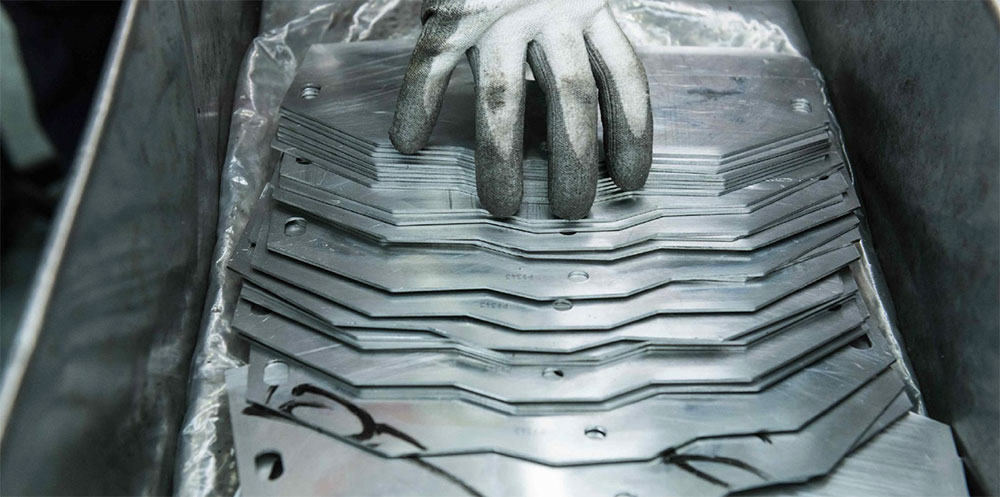

Frontier Galvanizing has spent over 75 years setting the standard for corrosion protection, with a commitment to environmental innovation that has shaped the future of hot-dip galvanizing. The company’s work goes far beyond fortifying steel for bridges, stadiums, or utility systems, employing processes that actively reduce energy consumption, minimize chemical waste, and lower the ecological impact—all while maintaining the durability and quality that define Frontier Galvanizing’s reputation.
Zinc: Recyclability and the Circular Economy
Zinc is ideally suited to environmentally responsible galvanizing due to its complete recyclability. Most other commonly used coatings require repeated replacement. In contrast, zinc can be recovered and reused endlessly without losing its protective qualities.
Frontier Galvanizing incorporates recycled zinc into its operations whenever possible, thereby reducing reliance on raw materials. This reflects the company’s long-standing commitment to environmentally conscious practices while delivering steel solutions that meet rigorous performance standards for both domestic and international projects.
Enhancing Energy Efficiency Through Heat Recovery
Modern galvanizing typically involves several energy-intensive processes. In response, Frontier Galvanizing has progressively integrated technologies intended to reduce consumption. These include precision temperature control, optimized bath circulation, and automated handling, which minimizes energy loss during coating.
The company also employs heat recovery technologies that capture residual heat from galvanizing kettles. The heat is then used to preheat incoming steel or serve other facility needs.
These enhancements reduce greenhouse gas emissions and operational costs while maintaining coating consistency. It is yet another example of how Frontier Galvanizing integrates efficiency and sustainability into every project, whether for high-volume steel assemblies or for individual, intricate structural components.
Advanced Chemical Management and Water Conservation
Frontier Galvanizing implements state-of-the-art flux treatment and hydrochloric acid regeneration systems to reduce chemical waste and water use while maintaining the highest corrosion protection needed for demanding infrastructure projects. The company also uses hex-free paintable passivation to minimize hazardous byproducts in the process.
The integration of these practices enables Frontier Galvanizing to meet the strictest regulatory standards and sustainability certifications. Better still, it ensures the company’s environmental responsibility and operational excellence without compromising the finished steel’s integrity or longevity.
Sustainable Infrastructure for Future Generations
Hot-dip galvanizing has a much lower environmental impact throughout the life of a structure than traditional paint or powder coatings. Painted steel typically requires periodic maintenance and recoating, and is often replaced after a few years. Galvanized steel, on the other hand, may go decades without significant interference or upkeep.
Frontier Galvanizing’s emphasis on energy efficiency, chemical management, and zinc recycling supports long-term sustainability for infrastructure projects across North America and abroad, from stadiums and bridges in Buffalo to high-profile structures such as New York City’s Queensboro Bridge. These projects, along with many others, serve as powerful testaments to the company’s environmental leadership and technical expertise.
Frontier Galvanizing demonstrates that hot-dip galvanizing can be both environmentally responsible and technically advanced. Through innovations such as zinc recycling, energy recovery, chemical stewardship, and sustainable operational practices, the company ensures that each project stands the test of time and meets contemporary environmental expectations. Ultimately, its innovations strengthen not only steel but also the communities and infrastructure that rely on it.