


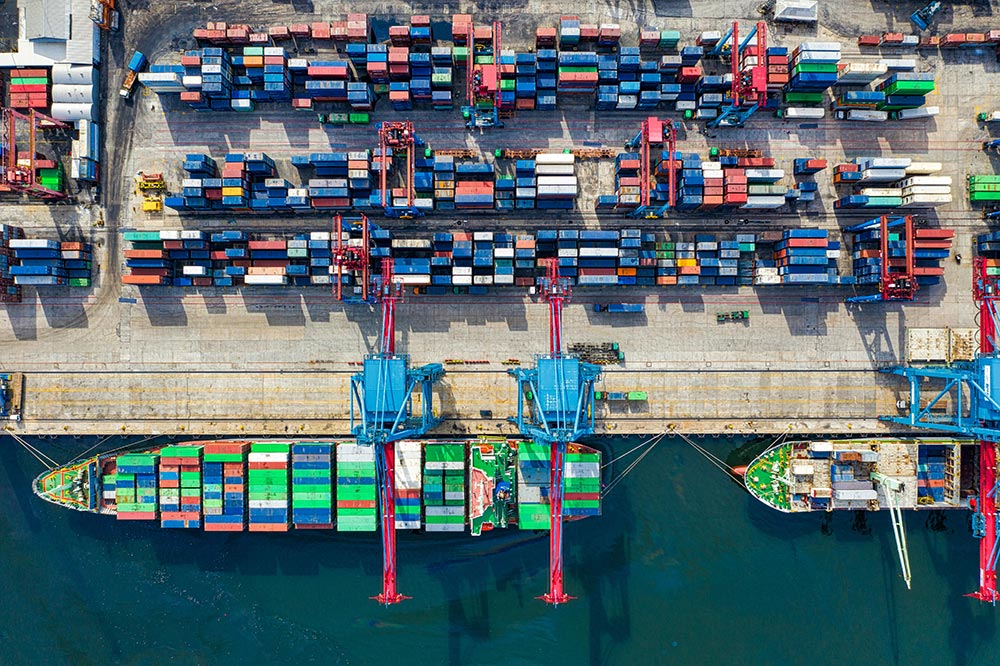

Wilmington, NC, has grown into more than a coastal city with charm. It is now home to a mix of manufacturers, healthcare providers, distributors, and service businesses that rely on the steady movement of goods and materials. From the Port of Wilmington to regional distribution hubs, local companies depend on smooth operations every day. Yet many business leaders in the area face the same challenge: supply chain responsibilities keep expanding, but the talent managing them has not kept pace. Missed deliveries, supplier issues, and inventory problems do not always come from global disruptions. Often, they start with gaps in skills, planning, or decision-making. For businesses trying to grow without losing control, this problem has become impossible to ignore.
Supply Chain Talent Drives Real Revenue
Supply chain work touches revenue more than many leaders realize. When products arrive on time and in the right quantity, sales teams can deliver on promises. When inventory stays balanced, cash does not get trapped on warehouse shelves. Skilled professionals make these outcomes possible by planning ahead, managing vendors carefully, and spotting issues early. Without that expertise, companies react instead of plan. That reactive approach leads to rushed orders, higher costs, and lost opportunities.
Programs like online MBA in supply chain management offered by the University of North Carolina Wilmington reflect this reality by combining practical operations training with core business knowledge, shaped by the region’s strong ties to logistics, trade, and port activity. This degree is designed to help professionals build the kind of steady, informed decision-making that protects revenue and supports long-term business performance.
The High Cost of Poor Decisions
Small supply chain mistakes often turn into large financial problems. Ordering too much ties up money. Ordering too little frustrates customers. Choosing the wrong supplier creates delays that ripple across teams. These issues rarely happen because employees do not care. They happen because decisions get made without the right training or a full view of the operation. Businesses that invest in skilled professionals reduce these risks. Better judgment leads to fewer errors, smoother workflows, and less time spent fixing preventable problems.
The Role Is No Longer Just Operations
Supply chain jobs used to focus on placing orders and tracking shipments. That view no longer works. Today, these roles require planning, communication, and strong coordination with finance, sales, and leadership teams. Professionals must understand how decisions affect costs, timelines, and customer expectations. Companies that treat supply chain roles as basic support positions often feel disappointed by the results. Those who recognize the strategic side of the work see better alignment and stronger performance across the business.
Customer Trust Starts Behind the Scenes
Customers may never meet the people managing inventory or logistics, but they feel the impact of that work. Late deliveries, sudden shortages, and unclear timelines damage trust quickly. Skilled supply chain teams help prevent these issues by setting realistic expectations and keeping information accurate. When customers receive what they expect, when they expect it, confidence grows. That trust leads to repeat business and stronger relationships. Investing in talent behind the scenes protects the experience customers remember.
Internal Growth Depends on Skill Readiness
Many companies prefer to promote from within, and for good reason. Internal hires already know the business, the culture, and the customers. However, promotions only succeed when employees have the right skill base. Supply chain roles demand confidence in planning, communication, and problem-solving. When employees receive proper training and development, they step into leadership roles more smoothly. Businesses avoid disruption and build loyalty by preparing people before promoting them.
Strong Teams Improve Cross-Department Work
Supply chain teams rarely work alone. Their decisions affect finance, sales, customer service, and leadership. Skilled professionals understand how to communicate clearly with each group. They explain trade-offs, share realistic timelines, and flag risks early. This clarity reduces tension between teams and helps everyone work toward the same goals. When supply chain talent lacks training, misalignment grows. Investing in skilled professionals improves cooperation across the entire organization.
Skilled Professionals Handle Change Better
Change is part of modern business. Suppliers shift, demand changes, and timelines move. Companies with strong supply chain talent respond faster and with more confidence. Trained professionals assess options, adjust plans, and keep leaders informed. They rely on analysis rather than guesswork. This approach helps businesses stay steady during disruption instead of scrambling for quick fixes. The ability to adapt without panic becomes a real advantage.
Long-Term Growth Needs Operational Leaders
As businesses grow, supply chain complexity increases. More suppliers, more customers, and more locations add pressure. Without skilled leaders guiding operations, growth creates stress instead of opportunity. Supply chain professionals with strong business knowledge help companies scale without losing control. They plan ahead, set systems in place, and support leadership decisions with clear insight. Investing in this talent supports growth that lasts, not growth that breaks processes.
Supply chain talent plays a central role in business success, even when it operates behind the scenes. Skilled professionals protect revenue, reduce costly mistakes, strengthen customer trust, and support long-term growth. Companies that invest in education and development gain more than operational stability. They build teams that think ahead, communicate clearly, and lead with confidence. In a business environment where pressure keeps rising, treating supply chain talent as a strategic investment is no longer optional. It is a practical decision that shapes how well a company performs today and how prepared it is for tomorrow.