


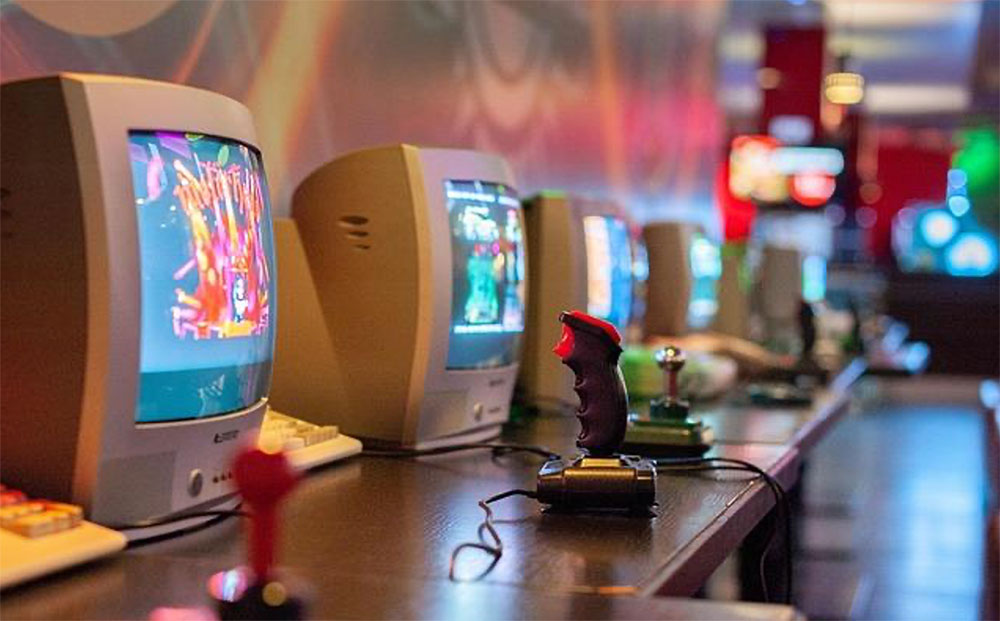

One of the most streamed and played games is not a blockbuster with ray tracing and cinematic motion capture. It’s Balatro, a roguelike card game with minimalist visuals and simple rules. Its popularity isn’t a fluke. Over the past few years, titles built on classic gameplay principles have consistently outperformed their graphically advanced counterparts. This trend isn’t about nostalgia alone. It’s a deliberate return to what works: gameplay depth, clarity, and player agency.
This preference for simplicity isn’t limited to mainstream gaming. Even in gambling formats, familiar designs have remained dominant. Classic slots, fruit machines, and three-reel setups continue to attract steady interest especially when featured on platforms that act as a one-stop destination for no download slots. These platforms let people try demo slots instantly, without the hassle of creating an account or downloading software.
Players aren’t abandoning complex visuals because of hardware limitations or aesthetics. They’re shifting their attention because they’re finding more value, challenge, and engagement in games that prioritize mechanics over visuals.
Why Better Graphics Don’t Mean Better Games
For years, the video game industry equated progress with photorealism. Titles like Horizon Forbidden West and Cyberpunk 2077 pushed visual fidelity to its limits. Yet, while impressive to look at, many of these games failed to deliver on gameplay expectations.
Redfall serves as a cautionary tale. Marketed as a visually polished co-op shooter, it launched with broken mechanics, bland combat, and poor AI. Despite the graphic sheen, players disengaged quickly. The failure wasn’t in the textures or lighting. It was in the lack of compelling interactivity.
Graphics can impress, but they don’t sustain interest. Once the visual awe fades, only gameplay remains. And that’s where many high-budget titles have fallen short.
Why Core Gameplay Still Hooks Us
Good mechanics don’t age. Tetris, released in 1984, remains one of the most addictive games ever made. The reason? Its mechanics are intuitive, rewarding, and endlessly challenging. Press, react, improve. That loop is timeless.
Modern titles like Vampire Survivors and Celeste thrive for the same reason. They’re built on tight control systems, consistent feedback, and escalating difficulty. There’s no confusion about what to do or how to get better. The clarity of these loops keeps players engaged longer than high-resolution environments with shallow mechanics.
Games succeed when interaction matters more than spectacle. Classic mechanics offer that without distraction.
Design Constraints Drive Creativity, Not Limit It
When developers work with visual limitations, they often focus more sharply on gameplay. This isn’t a compromise. It’s a strategic decision that enhances creativity.
Take Balatro. It’s built on a standard deck of cards and basic multipliers. Yet it creates endless layers of strategy, challenge, and surprise. Every run is different, every decision impactful. Without flashy graphics to lean on, the game relies on systems design, and it succeeds because of it.
Designing within tight boundaries encourages developers to prioritize player feedback, timing, pacing, and interaction. These are the qualities that create memorable games, not surface-level visual effects.
Depth Over Dazzle in Long-Term Engagement
Modern players value games that reward repeated playthroughs, not just first impressions. Classic mechanics naturally support this by offering mastery, experimentation, and procedural variation. Titles like Loop Hero, Slay the Spire, and Dead Cells thrive not because of high-end visuals, but because they make every run feel different.
Graphically intensive games often front-load their appeal, but replay value tends to drop off when novelty fades. In contrast, games with strong mechanical cores encourage long-term investment without needing constant content updates or graphical upgrades. This is where classic design continues to outperform, it turns short sessions into extended routines.
Why Simpler Games Perform Better in the Attention Economy
How a game looks isn’t just judged in trailers or screenshots, it’s judged in 15-second clips. TikTok, YouTube Shorts, and Instagram Reels have become powerful discovery engines for games. But not all titles adapt well to these formats.
Simple, mechanics-driven games are instantly readable on a small screen. Viewers can understand what’s happening, why it’s exciting, and how it works. Titles like Only Up, Super Auto Pets, and Getting Over It spread quickly because of this clarity.
Complex games often require context or slow ramp-ups, which don’t translate well to fast-paced feeds. Classic-style games, with their immediate feedback and fail-retry loops, are tailor-made for short-form content and viral attention.
Accessibility Is the New Kingmaker
Many modern players don’t want to commit 40 hours to learn a control scheme. Games that are easy to pick up and hard to master thrive because they respect time.
Dave the Diver, for example, mixes simple fishing and management mechanics with light RPG elements. It doesn’t overwhelm with tutorials or demand top-tier hardware. Yet it’s become a favorite across platforms.
Classic mechanics allow for wide accessibility. They run smoothly on older systems, work well on handheld devices, and often require less onboarding. This means more players get into the action faster, and stay longer.
Indie Studios Are Leading the Way And Winning
Big studios spend years developing cinematic games with massive budgets. But in that time, indie developers release multiple titles focused on sharp design and core loops. The results speak for themselves.
Dredge, a moody fishing adventure with eerie undertones, doesn’t aim for graphical perfection. Instead, it delivers a unique loop that blends exploration, risk, and progression. Hades mixes tight combat with story, built around classic roguelike design. Both achieved critical and commercial success.
The economics favor small teams who build smart, tight systems. In the broader indie genre, these studios often prioritize mechanical innovation over visual complexity. They don’t chase realism. They build replayability
Nostalgia Isn’t Just Sentiment, It’s Strategy
Retro-inspired visuals aren’t just an artistic choice. They’re part of a calculated design language that tells players: “This will feel familiar, but fresh.” This visual callback isn’t unique to gaming either, retro styling has reemerged across content creation, even fashion, where designers and influencers frequently tap into past aesthetics to create modern relevance.
Games like Sea of Stars, Shovel Knight, and Eastward lean on 16-bit aesthetics, but pair them with modern design sensibilities. They aren’t clones of old games, they honor past systems while improving clarity, pacing, and content delivery.
The visual throwbacks lower expectations of hyperrealism, placing focus where it belongs: gameplay. It’s not about looking backward. It’s about tapping into a shared design heritage and refining it.
When Graphics Do Matter But Only in Support of Gameplay
This trend isn’t about rejecting visuals. It’s about using them to support, not overshadow, core mechanics.
Hades is a visual standout, with rich environments and fluid animations. But players stay for the responsive combat, tight dodge timing, and reward systems. Its graphics are polished, but they’re never the main attraction.
The best modern games combine art direction with mechanical clarity. When visuals serve gameplay, they enhance immersion. When they try to replace it, they often fail.
We’re in a Mechanics-First Era Again By Choice
The retro revival isn’t a rejection of modern gaming. It’s a reevaluation. Players are asking what truly matters: being visually impressed, or being mentally and emotionally engaged.
The answer is clear. Classic mechanics, whether repackaged in new skins or faithfully preserved, deliver more replay value, more satisfaction, and more staying power than visual complexity alone. Developers are taking notice. Players are voting with their time. And the industry is shifting accordingly.
What once looked like a step backward is actually a leap forward. Mechanics-first design is not only back, it’s outperforming the competition.