


Deciding whether to pursue a private or commercial pilot certificate involves understanding the distinct responsibilities, training demands, and privileges tied to each. A private pilot certificate caters to personal and recreational flying, while a commercial one paves the way for professional aviation careers. Prospective pilots must weigh factors like cost, time commitment, career goals, and lifestyle preferences before choosing a path. As Jett Harris Arkansas notes, commercial training is more rigorous, with higher standards and expectations, while private certification offers flexibility and less regulatory burden.
Overview of Pilot Certifications
A private pilot certificate is often the first major milestone for individuals interested in flying. It allows pilots to operate aircraft for personal or recreational purposes, including solo flights or those with passengers, as long as no compensation is involved. Many use it for weekend trips, sightseeing, or building flight hours toward advanced training.
A commercial certificate is designed for those who want to be paid for flying. This opens up professional opportunities such as aerial photography, charter flights, and eventually airline roles. Commercial pilots are trained to a higher standard, reflecting the added responsibility and complexity of their operations.
Training Requirements and Flight Hours
Training for a private pilot certificate typically starts with around 40 hours of flight time, including both instruction and solo flying. Some students may need more time to reach proficiency, especially when mastering maneuvers or preparing for the checkride. The focus is on building fundamental skills that allow safe operation under visual flight rules. Weather assessments, basic navigation, and emergency procedures form a significant part of this training.
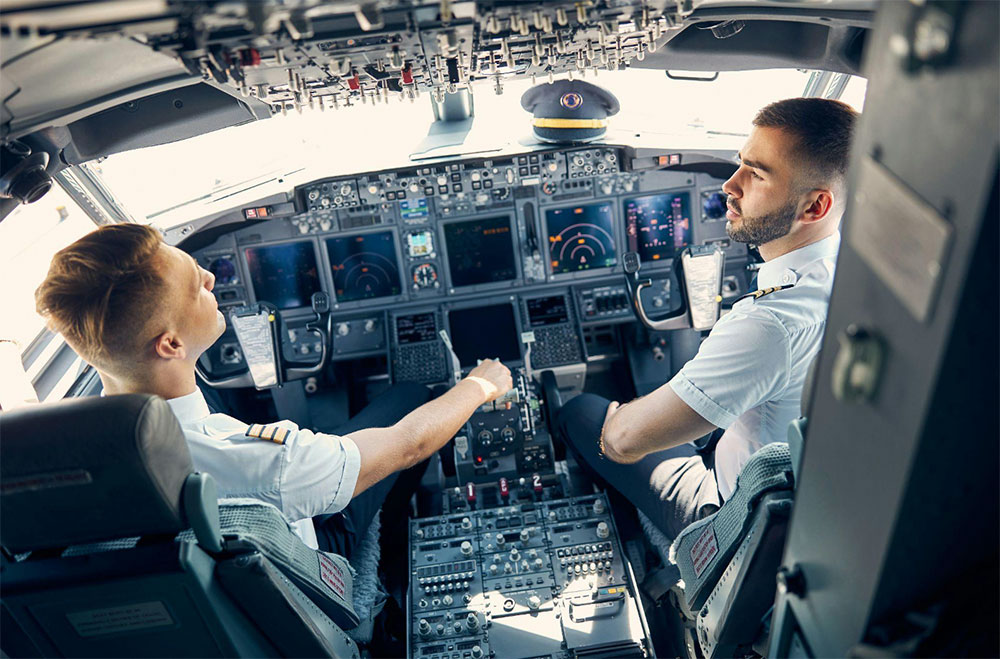
Commercial pilot training demands a more rigorous curriculum and a minimum of 250 total flight hours. Students must demonstrate advanced flying techniques like steep turns, precision landings, and complex aircraft operations. This stage also includes more in-depth aviation theory and decision-making scenarios. Many commercial students also pursue instrument and multi-engine ratings to broaden their opportunities.
FAA Standards and Medical Certifications
The FAA outlines specific eligibility criteria for private and commercial certification, including age, language proficiency, and passing scores on written and practical exams. These standards ensure consistency and safety across all levels of aviation. Applicants are also required to undergo a TSA background check in certain cases, particularly if training in the U.S. as a foreign national.
Medical certification also differs between the two. A private pilot needs at least a third-class medical certificate, which covers basic physical and mental fitness. Commercial pilots must obtain a second-class certificate, which involves stricter health evaluations to meet the demands of experienced flying.
These assessments are conducted by FAA-authorized aviation medical examiners. Vision, hearing, and cardiovascular health are closely monitored during these evaluations. Commercial pilots are held to higher operational standards and face more oversight in areas such as maintenance, logging, and flight planning.
Flying Privileges and Limitations
A private pilot can fly in a wide range of airspace and operate various single-engine aircraft, but they are not allowed to receive compensation for their services. This means they can share flight costs with passengers, but cannot charge for flights or advertise as a pilot for hire. They also cannot fly in commercial operations or transport cargo for profit.
Commercial pilots have access to a wider scope of operations. They can legally fly for compensation or hire, which includes roles such as banner towing, crop dusting, and conducting sightseeing tours. Their privileges are broader but come with increased accountability and regulatory oversight. These pilots must also adhere to specific rules under Part 91 or Part 135 of FAA regulations, depending on the nature of their operations.
While both certifications allow flight in controlled and uncontrolled airspace, only commercial pilots can engage in operations that involve transporting goods or people for pay. Insurance requirements and aircraft inspections are often more stringent for commercial flying.
Career and Earning Opportunities
A commercial pilot certificate is often the gateway to a long-term aviation career. Pilots may begin as flight instructors to build hours before moving into charter, corporate, or airline jobs. Each step typically leads to higher pay and more complex aircraft operations. Helicopter pilots, cargo haulers, and medevac professionals also start their careers with this certification.
Private pilots, on the other hand, use their certificate primarily for recreational travel or personal transportation. While it’s a major achievement, it doesn’t open the door to paid flying positions. Some pursue it as a stepping stone to commercial training, but many are content flying for the freedom and enjoyment it offers. It allows access to a wide range of general aviation aircraft and destinations without needing to meet employer schedules.
Earning potential varies widely in commercial aviation, from modest incomes in entry-level roles to six-figure salaries for airline captains. Career paths can also differ based on location, aircraft type, and industry demand. Over time, some pilots transition into management, training, or safety oversight roles, expanding their professional reach.
Factors to Consider When Choosing a Path
Choosing between private and commercial certification often comes down to personal goals and commitment. Those looking to explore aviation as a hobby may find the private license perfectly suited to their needs without the added pressures of professional obligations. It suits individuals with full-time careers in other fields who want to enjoy flying on weekends or holidays.
Time and cost are also key considerations. Commercial training typically spans more months, requires a greater financial outlay, and demands a higher level of dedication. Some students choose accelerated flight academies, while others train gradually through local flight schools.
Lifestyle plays a role, too. A commercial pilot may spend days away from home, follow irregular schedules, and operate under stricter oversight. In contrast, private pilots enjoy more flexibility, flying on their own terms and timelines.