


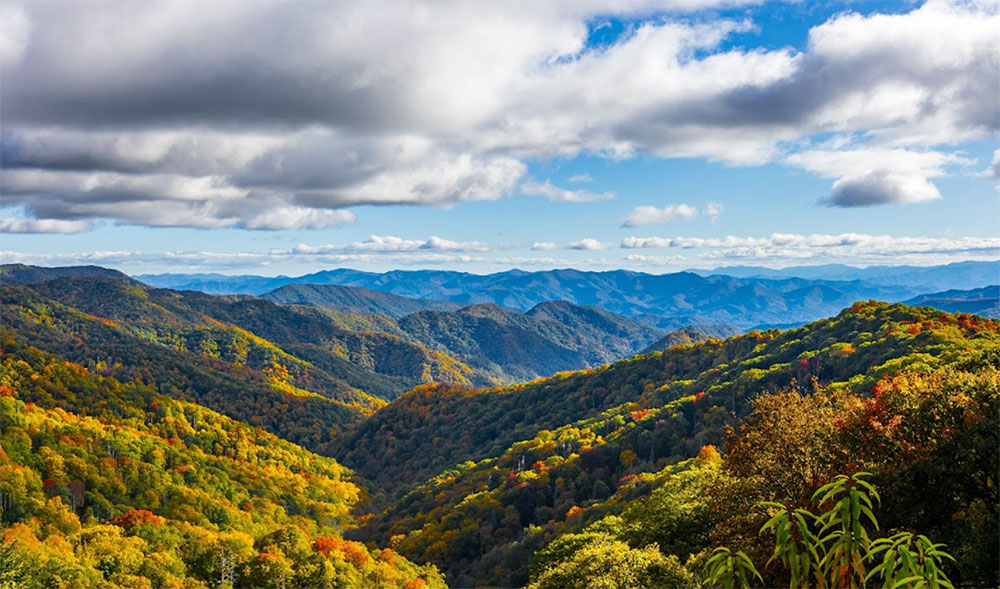

Have you ever tried packing for a family trip only to realize two hours before departure that you forgot something important? Getting everyone out the door—kids, snacks, and sanity intact—is its own adventure. When your destination is the Smoky Mountains, where nature demands respect and logistics matter, good prep changes everything. In this blog, we will share how to plan a smooth Smoky Mountains trip with the family, from lodging to luggage and everything in between.
Prepare for Weather Swings and Outdoor Comfort
Mountain climates often surprise visitors. Mornings may be frosty, afternoons sunny, and evenings damp. Pack layers rather than heavy single coats. Think moisture-wicking shirts, a warm mid-layer, and a windproof outer shell. Don’t forget rain protection. A compact rain jacket or poncho fits easily and saves you from soggy surprises.
Footwear deserves attention. Even if you’re not hiking hardcore trails, having solid shoes matters. Pick pairs with traction for gravel or uneven terrain, and bring a backup pair for evenings or wet days. Bring socks made for activity, not just cotton ones that soak and chafe.
Hydration and sun protection matter at higher altitudes. Even under canopy cover, UV exposure adds up. Pack sunscreen, hats, sunglasses, and lip balm. Keep water bottles on hand—altitude and dry air dehydrate faster than you might expect.
Choose Lodging That Feels Like Home Away from Home
One of the biggest choices you’ll make is where your family will stay. Picking the right base changes how you feel when you wake up each morning. It’s not fun to wake up thinking, “We drove for eight hours for this tiny, cramped room.”
If you want the comfort and flexibility of a home, consider renting cabins in the Smokies. Visit My Smokies offers options that include full kitchens, roomy living spaces, private bedrooms, and views you’ll wake up for. Choosing a cabin means you can cook meals, spread out, and retain more control over the daily pace.
When evaluating cabins, check how well they’re maintained. Look at recent guest photos and comments about plumbing, heating, internet access, and how easy check-in is. Also see how far away they are from emergency services and main roads. A beautiful mountaintop cabin is great—unless it takes you forty minutes to get to a supermarket or medical office.
Book lodgings well in advance during peak seasons. Many families are traveling longer distances now that remote work is more common, which pushes demand higher even on off-peak dates. A cabin that suits your family’s size—whether it’s two bedrooms or eight—goes quickly. Also, read cancellation policies carefully. Weather, road conditions, or unexpected delays happen. Opting for lodging with flexible cancellation or date changes gives you breathing room.
Plan Logistics Before You Hit the Road
Timing your arrival and departure turns the wilderness from a stressor into a backdrop. Before you leave, map your route, check road conditions, and pick windows when traffic is lighter. Mountain roads get congested, especially at midday and weekends, so aim to travel during off-peak hours.
Fill your gas tank before you reach more remote zones. Along some mountain corridors, gas stations are sparse and prices go up the further you climb. Carry snacks, water, and basic tools. If your route includes steep grades, remind drivers to use lower gears and avoid overheating brakes.
Download offline maps in case service drops. Many rural or forested sections of the Smokies don’t offer reliable cell coverage. Store your cabin address and lodging directions where GPS signal isn’t needed. Snap screenshots or print a map, so you’re never entirely stranded by a signal lapse.
Organize travel essentials within easy reach. Keep medicines, charging cables, snacks, wet wipes, extra layers, and a small first-aid kit in a grab bag. That way, when you pull over at a scenic spot or need to switch drivers, no one has to dig through suitcases inside the car to find what they need.
Check your vehicle ahead of time. Because mountain terrain will push systems harder, verify tire pressure, fluid levels, brakes, and air filters. If you’re towing a trailer or carrying extra weight (kids, gear, luggage), make sure your car is rated for it. When the roads bend and elevation changes, you’ll want full confidence in your ride.
Pre-Trip Organization for the Family
When multiple people are involved, things multiply. Use a shared checklist well before travel day. Include tasks like confirming reservations, printing confirmations, paying tolls, checking IDs, and making sure everyone has what they need.
Assign roles. Give family members small jobs—snacks, luggage, toiletry bags, electronics. Even kids can carry their daypack or help organize the coolers. Shared responsibility reduces chaos at the last minute.
Create a packing list that distinguishes “essential” from “nice-to-have.” Prioritize medication, identification, finances, weather-appropriate clothes, and daily-use items. Let “extra” items be extras. Resist the urge to overpack; mountain towns often have general stores if something minor is missing.
Organize digital files. Store all travel confirmations in a folder accessible offline. Email yourself a compressed version too, in case you lose phone connectivity. Print copies of critical documents for backup. Carry a list of emergency contacts, lodging address, and route plan in a hard-copy folder.
Also overlap schedules thoughtfully. Don’t plan a long excursion the day you arrive after a long drive. Build cushion days where nothing major is required. That space lets the family recover, understand the local flow, and open doors for adjustments if something unexpected changes.
Packed luggage, lodging in hand, route planned, backup plans ready. With preparation that respects terrain, family pace, and the unexpected, your Smoky Mountains trip becomes less about managing problems and more about shaping memories. When the mornings come crisp and calm, afternoons stretch in sunlight, and nights bring quiet mountain air, you’ll be ready to live the trip—not scramble to survive it.