



Choosing the right footwear for a child is about so much more than just a fashion statement. As kids grow, their feet are constantly changing. It’s a bit of a moving target, isn’t it? The physical demands of different sports require specific support, and putting a child in the wrong shoes can lead to real discomfort or even a nagging injury. Honestly, when we look at the landscape of youth sports today, the variety of movement is incredible. From the lateral cutting of tennis to the constant sprinting of soccer, every activity puts a unique strain on those developing joints. Finding the perfect pair means understanding the mechanics of the game and the needs of the individual athlete.
Why Footwear Matters for Growing Athletes
Before diving into specific sports, we should probably talk about why we can’t just use one pair of sneakers for everything. A child’s foot is not just a smaller version of an adult foot. The bones are still fusing, and the arches are still finding their shape.
It’s about more than just physics.
High-impact activities without the right cushioning can lead to long-term issues like shin splints or heel pain. And we’ve all seen it happen. You know, that moment a kid starts limping toward the car after a long game? It’s heartbreaking. Furthermore, the psychology of a young athlete is tied to their gear. When a child feels stable and comfortable, they are more likely to participate fully. They aren’t thinking about a blister or a slipping heel. They’re thinking about the ball, the finish line, or the teammate open for a pass. Proper shoes provide the physical foundation for that mental focus.
But how do we know which one is actually right for them? Maybe it’s simpler than we think.
Basketball: Support for the High Flyers
Basketball is a game of verticality and sudden stops. For kids hitting the court, ankle support is the primary concern. The constant jumping for rebounds and the quick defensive slides require a shoe that locks the foot in place. This is where a high top or mid top design becomes essential.
The youth MVP 92 sneakers are a standout choice for young basketball players. These shoes are built with a focus on impact protection, which is vital when kids are landing after a layup. The cushioning helps absorb the shock that would otherwise travel up to their knees and hips. Additionally, the traction patterns on the bottom are designed for polished hardwood floors, ensuring they don’t slip when making a game-winning move.
Reliability matters on the court.
Beyond the technical specs, these sneakers offer the durability needed to survive a long season of practices and weekend tournaments. The materials used in the MVP 92 are resilient enough to handle the friction of a gymnasium floor while keeping the foot cool during intense play. I guess that’s why you see so many of them in the local league.
Soccer: Precision on the Grass and Turf
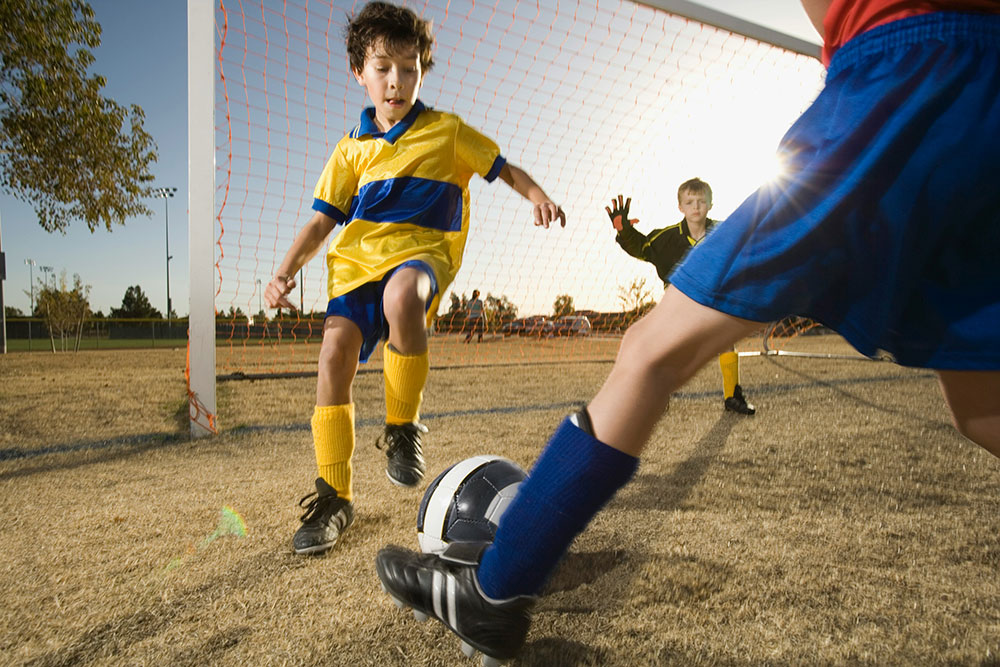
Soccer footwear is perhaps the most specialized of all. Whether playing on natural grass or artificial turf, traction is the name of the game. Cleats by Adidas are designed to dig into the ground to provide stability during high-speed turns and powerful kicks. But have you ever noticed how different the ground can be from one field to the next?
For younger children, rubber cleats are often safer and more comfortable than metal ones. The upper material should be thin enough to allow for a good feel for the ball, but durable enough to withstand the friction of the game. A snug fit is crucial here. If the foot slides around inside the shoe, the child loses accuracy in their footwork and increases the risk of a rolled ankle. We also have to consider the environment. Muddy fields require longer studs for grip, while dry, hard dirt might require shorter, more numerous studs to distribute weight evenly.
Running and Track: The Need for Lightness and Flex
If your child is joining the track team or enjoys a morning jog, the requirements change completely. Basketball shoes are too heavy and stiff for distance running. A running shoe needs to be lightweight and flexible. The goal is to allow the foot to move through its natural gait cycle without extra weight dragging it down.
And that’s the point.
Breathability is another factor to consider. Running generates a lot of heat, and mesh uppers help keep feet cool and dry. This prevents blisters and keeps the child comfortable over longer distances. For kids, look for shoes with a neutral cushion unless a podiatrist has suggested otherwise. This provides a soft landing without forcing the foot into an unnatural position. The flexibility should be at the forefoot, allowing the toes to push off effectively with every stride.
Tennis and Court Sports: Lateral Stability and Durability
Tennis involves a lot of side-to-side movement. Unlike running shoes, which are designed for forward motion, tennis shoes such as ASICS have reinforced sidewalls. This prevents the foot from rolling over the edge of the shoe during a sharp lateral cut.
The outsoles of court shoes are usually made of a denser rubber to handle the abrasive nature of hard courts. They also tend to have a lower profile to keep the center of gravity close to the ground. This gives the young athlete a sense of groundedness and confidence as they sprint to reach a cross-court shot. Toe drag is also a common habit in tennis, so look for shoes with a reinforced toe cap to prevent the shoe from wearing out prematurely.
Baseball and Softball: Digging In
Baseball and softball require a combination of sprinting and steady standing. Much like soccer, the focus is on the outsole. However, baseball cleats often feature a different stud pattern, including a toe cleat that helps with the initial burst of speed out of the batter’s box.
For younger leagues, plastic or TPU cleats are standard. They provide enough grip for the dirt infield and the grass outfield without the risks associated with metal spikes. Comfort is key here because games can last a long time. A shoe with a cushioned midsole will help keep their feet from getting tired during those long innings in the field.
Are they standing out there for an hour? They need that cushion.
Volleyball: Grip and Quick Reactivity
Volleyball is played on similar surfaces to basketball, but the movements are different. There is a lot of quick pivoting and constant jumping. While some kids use basketball shoes, a dedicated volleyball shoe like Mizuno is lighter and offers a gum rubber sole for superior grip on the court. This allows for the lightning-fast reactions needed to dig a ball or transition into a spike. The lateral support is also reinforced to handle the frequent side-to-side shuffling at the net.
The Importance of the Right Fit
No matter how high-quality a shoe is, it won’t perform if it doesn’t fit correctly. Always measure your child’s feet late in the afternoon, as feet tend to swell throughout the day. There should be about a thumb’s width of space between the end of their longest toe and the front of the shoe.
Avoid the temptation to buy shoes that are too big so they can grow into them. It’s a common trap. A shoe that is too large allows the foot to slide, which causes blisters and instability. Conversely, a shoe that is too tight can restrict natural growth and cause pain. Check the fit every few months, as children can jump a half size seemingly overnight.
When to Replace Athletic Shoes
Performance shoes have a shelf life. Even if the outside looks fine, the internal cushioning eventually breaks down. A good rule of thumb is to replace sports shoes every six months or at the start of a new season. If you notice the tread is wearing smooth or the heel counter is leaning to one side, it is time for a new pair.
Investing in sport-specific footwear is an investment in your child’s safety and enjoyment of the game. When they have the right tools in their hands, they can focus on what really matters. They can focus on having fun, learning teamwork, and staying active. It’s about the joy of the game, really.