


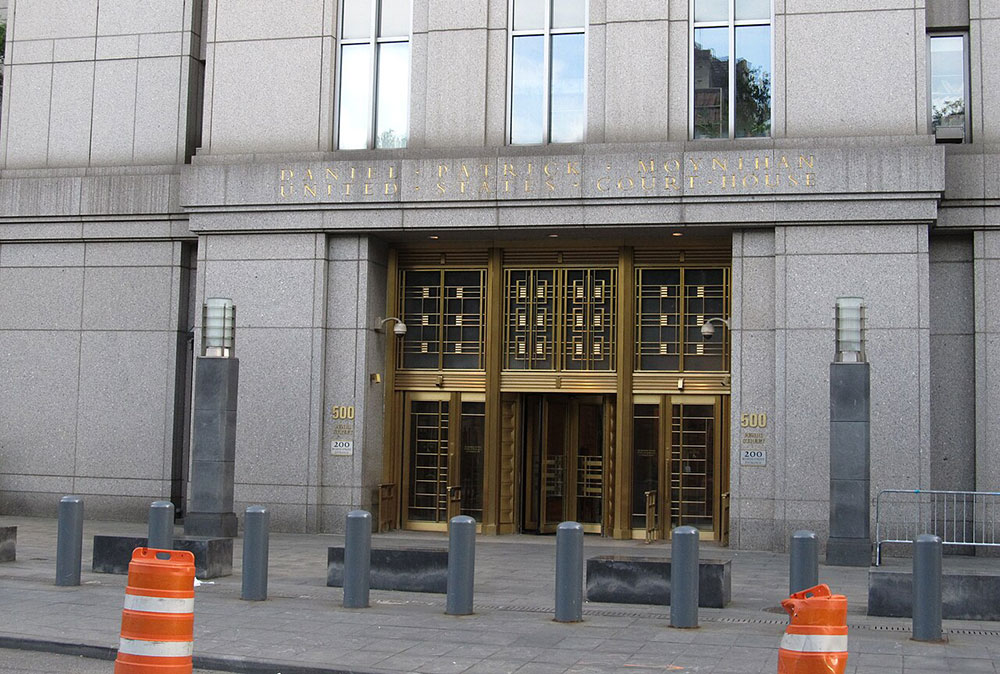

Venezuelan leader Nicolás Maduro appeared Monday in a U.S. federal courtroom in Manhattan for his initial arraignment, formally entering not guilty pleas to a sweeping set of criminal charges that place him at the center of one of the most consequential international prosecutions in recent history.
Maduro and his wife, Cilia Flores, appeared before a judge in the Southern District of New York, where prosecutors presented a superseding indictment alleging narco-terrorism conspiracy, conspiracy to import cocaine into the United States, and weapons-related offenses connected to transnational drug trafficking networks.
Through an interpreter, Maduro denied all allegations and asserted that he remains Venezuela’s legitimate president. The court ordered both defendants held in federal custody and scheduled the next hearing for March 17, 2026.
The appearance followed Maduro’s recent transfer to U.S. custody, an event that has sharply escalated diplomatic tensions and drawn global scrutiny. U.S. authorities have framed the case as the execution of long-standing criminal indictments, while the defense has indicated it will challenge jurisdiction, due process, and claims of sovereign immunity.
During the brief proceeding, Maduro was observed consulting closely with legal counsel and taking notes. Flores remained largely silent. Defense attorneys confirmed that pretrial motions are forthcoming and will contest both the charges and the circumstances surrounding the defendants’ detention.
Outside the courthouse, reactions were divided among demonstrators and observers, reflecting broader international polarization over the case. Supporters of the prosecution described the arraignment as a milestone for accountability, while critics warned of potential geopolitical repercussions and further instability in Venezuela.
Legal experts note that the proceedings could redefine how U.S. courts address alleged criminal conduct by foreign heads of state, particularly in cases involving international narcotics trafficking and terrorism statutes.
As the case progresses, it is expected to have significant implications not only for Maduro personally but also for U.S.–Latin American relations and the evolving boundaries of international criminal jurisdiction.