


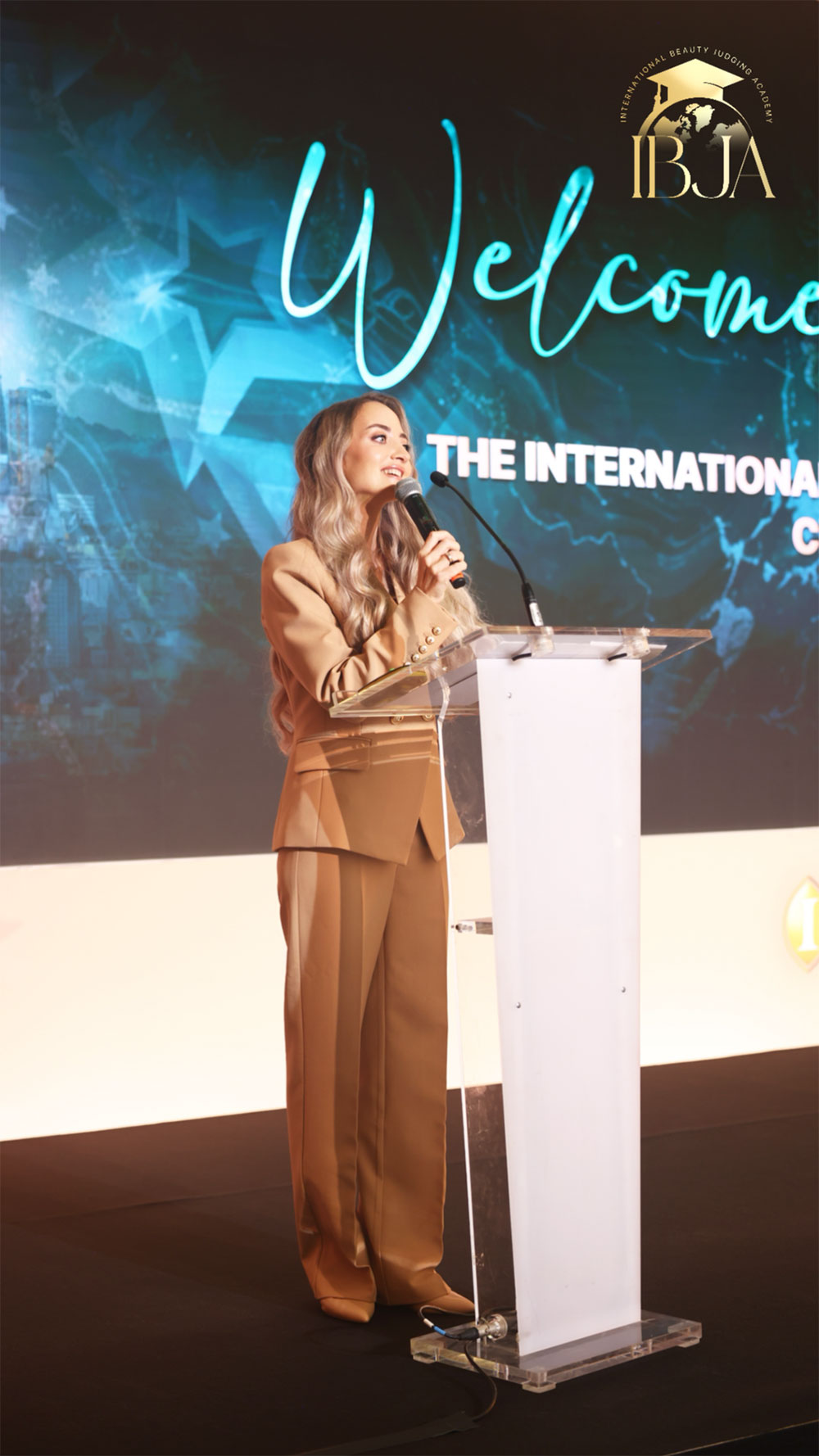

As the global beauty industry becomes increasingly sophisticated and interconnected, the demand for qualified experts capable of delivering objective and methodologically sound evaluation continues to grow. Modern championships are no longer limited to showcasing artistic skill — they function as structured professional platforms where expert judging plays a decisive role in recognizing excellence.
Within this evolving landscape, the International Beauty Judges Academy (IBJA) has established itself as an authoritative educational academy dedicated to preparing highly qualified professionals for one of the industry’s most responsible roles — serving on judging panels.
Additional information about the academy’s academic structure, admissions standards, and international training model is available on the official IBJA website:
https://ibja-academy.com/english
Today, the academy is increasingly regarded as part of a new generation of globally oriented educational platforms that support transparent judging systems and strengthen the professional infrastructure of the beauty industry.
Founded with a strong emphasis on academic rigor, practical expertise, and industry advancement, IBJA continues to reinforce its position as an international academy shaping the culture of professional evaluation.
A Selective Pathway to Professional Judging
At the core of the academy is an intensive one-month program designed for practicing beauty professionals seeking to expand their competencies and move toward the next stage of their careers.
The structure of the course reflects a deliberate focus on professional readiness. Successful completion requires full mastery of both theoretical knowledge and practical application, ensuring that certification represents verified expertise rather than simple participation.
Importantly, graduating from the academy does not automatically confer judge status. Only participants who successfully complete all stages of the program — including theoretical assessment and practical evaluation of competition entries — may be considered for invitation to serve on professional judging panels.
This selective model strengthens trust in the academy and aligns with international expectations associated with the high level of responsibility carried by evaluative roles.
Within today’s global talent economy, qualifications grounded in structured professional education are increasingly viewed as indicators of expertise, leadership potential, and advanced specialization.
Practice-Oriented Training Based on Real Competition Standards
One of the defining features of the IBJA program is its strong emphasis on practical application.
During the course, participants evaluate 20 real competition entries, closely replicating the conditions of international judging. This format cultivates critical skills — from criteria-based scoring and technical analysis to comparative thinking and the professional justification of decisions.
Working with authentic competition cases enables specialists to better understand the complexity of the modern beauty industry, where technical precision, aesthetic vision, and adherence to professional standards are essential.
Industry experts increasingly recognize practice-based training as a fundamental component in preparing judges amid the rapid global expansion of the sector.
Ten Areas of Specialization Reflecting the Depth of the Industry
Responding to the growing professional differentiation within the beauty sector, the academy structures its training across ten specialized disciplines. Rather than adopting a generalized approach, IBJA prioritizes subject-matter expertise — a principle widely associated with advanced educational models.
Each participant completes the program strictly within their primary field of specialization.
Cosmetologists study treatment evaluation, skin science, safety protocols, and clinical standards, while permanent makeup artists focus on pigmentology, facial harmony, technical precision, and long-term aesthetic outcomes.
This model ensures that future judges operate exclusively within areas where they possess deep professional knowledge — a factor of critical importance in competitive environments where technical nuance directly influences results.
Such an approach aligns with best practices observed across internationally respected evaluation systems.
A Globally Accessible Educational Model
Recognizing the borderless nature of today’s professional environment, IBJA delivers its program in a fully online format — a strategic decision that significantly expands the academy’s international reach.
By removing geographic barriers, experienced professionals from around the world can access advanced training without relocation, creating a dynamic educational environment enriched by diverse cultural and market perspectives.
Whenever possible, participants complete the program in the language most suitable for their professional comprehension, ensuring precise understanding of complex evaluation methodologies and ethical standards.
The academy’s digital infrastructure reflects a broader shift in professional education — toward global accessibility while maintaining a high level of academic rigor.

© IBJA Judges Academy
A Professional Ecosystem and International Community
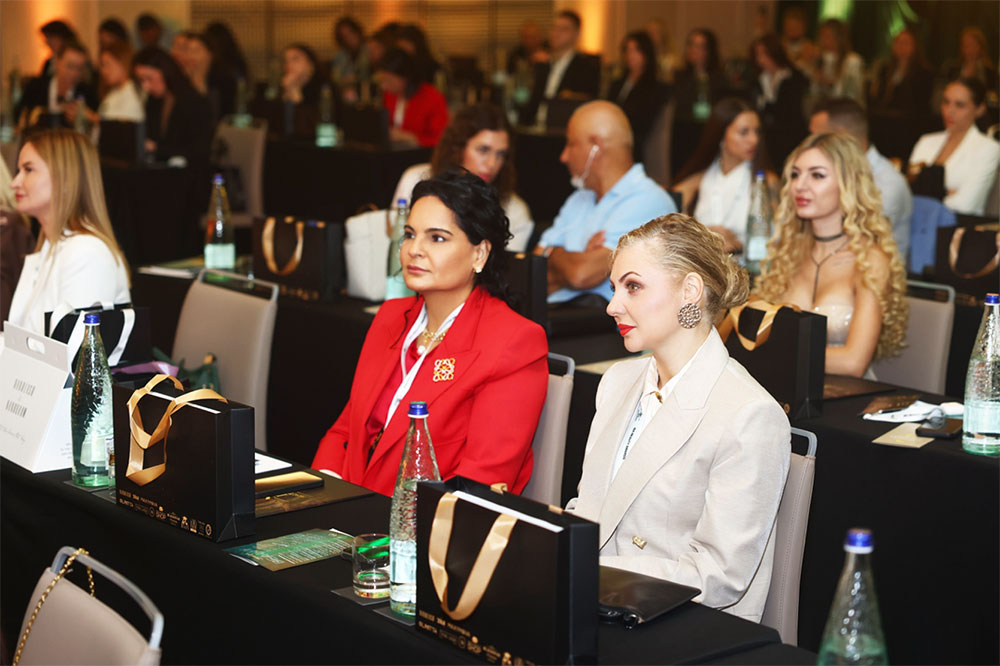
Beyond its educational activities, the academy operates within a broader professional ecosystem that brings together judges, experts, and industry leaders. Participants and graduates have the opportunity to become part of an international professional community, including involvement in industry conferences, expert forums, and specialized events dedicated to advancing judging standards and strengthening professional connections.
Such gatherings create space for knowledge exchange, discussion of emerging trends, and the development of a unified expert environment within the global competition industry. This integration of education and professional engagement reflects a modern approach to specialist preparation — one in which learning extends beyond the academic program and becomes part of an international professional landscape.
Building Trust Through Academic Rigor
In globally competitive industries, trust in evaluation systems is fundamental. IBJA addresses this need through a structured curriculum that emphasizes standardized scoring models, professional ethics, procedural transparency, and the cultivation of objective expertise.
Graduates of the academy are not only experienced practitioners but also trained evaluators prepared to support fair and respected competition outcomes.
This level of preparation contributes to the continued professionalization of beauty championships — a development increasingly associated with industry maturity.
From Advanced Training to Industry Leadership
Completing the IBJA program represents more than an educational achievement; it signals readiness to contribute to the development of professional standards across the industry.
Graduates may be invited to join international judging panels, where their expertise supports the recognition of outstanding talent and helps elevate quality benchmarks throughout the sector.
Credentials associated with formal judge training are increasingly recognized as indicators of professional authority — particularly within a global workforce defined by mobility and cross-border collaboration.
For many professionals, this transition marks an evolution from practitioner to influential contributor within the professional community.
© IBJA Judges Academy
Looking Ahead
As international connectivity continues to reshape career pathways, the demand for qualified evaluation experts is expected to grow. Educational academies capable of combining accessibility, specialization, and academic rigor will play a defining role in the next stage of professional development.
Through its respected educational model, emphasis on expertise, and commitment to high judging standards, the International Beauty Judges Academy continues to prepare professionals equipped to uphold and advance international benchmarks of quality.
In doing so, the academy is not simply training future judges — it is contributing to the evolution of modern professional recognition, where expertise, objectivity, and discipline define true authority.