


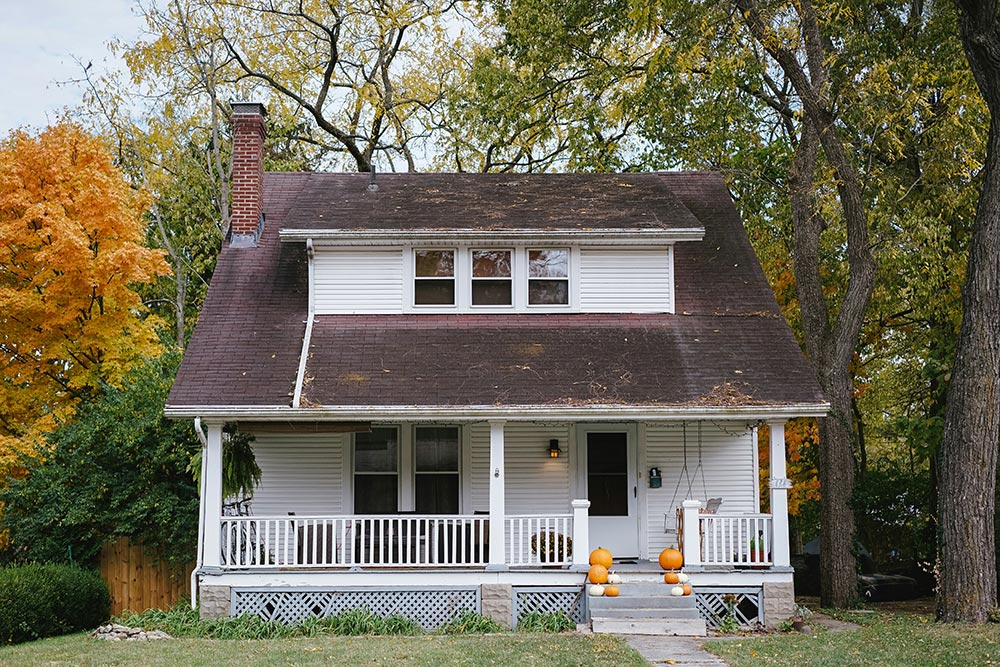

Homeowners considering rental income, especially those relocating, inheriting a property, or holding onto a former primary residence, often face the same tension: sell for a clean exit or convert the home from sale to rent and build a long-term rental. The residential rental market can make renting feel like a steady, reliable cash flow, but it also turns a home into a rental property investment with ongoing obligations and uncertainty. Long-term rental benefits include recurring income and potential long-run value, while challenges range from tenant risk to maintenance demands and changing local rules. A solid decision starts with rental property investment basics and an honest view of tradeoffs.
Quick Summary: Turning Your Home Into a Rental
- Focus on preparing the property with a practical checklist before listing it for long-term tenants.
- Focus on setting up the rental for profitability by making deliberate choices before you begin.
- Focus on screening tenants carefully using clear, essential criteria to reduce avoidable risks.
- Focus on choosing a long-term rental management approach that fits your needs and capacity.
Understanding Rental Profitability and Risk
To make your home a long-term rental, you need a simple way to judge profit and downside before you commit. That starts with estimating realistic rent, listing every recurring cost, and running a basic check on whether the numbers still work in a bad month. Think of it as a light version of rental property analysis that helps you decide if renting is viable.
This matters because small gaps add up fast, and the biggest surprises usually come from vacancies, repairs, or a tenant who pays late. Careful screening helps protect your cash flow since tenant turnover costs averaging $3,872 per unit can erase months of gains. Financing choices also change your margin, so you want to compare options, including rental-income-based loans, using criteria you can verify upfront, and understanding what is a DSCR loan can help keep that comparison consistent.
Imagine you expect $2,200 in rent, but the costs total $1,900 after taxes, insurance, and maintenance. One missed payment or a major repair turns that into a loss. A simple screening checklist and a clear loan comparison help you avoid a deal that only works on paper.
With the numbers mapped, you can prioritize repairs, curb appeal upgrades, and routines that prevent expensive surprises.
Make It Rent-Ready: Repairs, Curb Appeal, and Clear Rules
A rent-ready home is easier to price accurately, easier to show, and less likely to surprise you with expensive mid-lease emergencies. Focus first on safety and durability, then on presentation and repeatable routines.
- Start with “can’t-fail” repairs (safety, water, heat): Fix anything that could create an emergency call or a habitability issue: roof leaks, plumbing drips, loose railings, faulty smoke/CO alarms, and inconsistent heating/cooling. Walk the property like a tenant and test every faucet, window lock, outlet, and appliance. A simple rent-ready property checklist approach, clean, in good repair, working appliances, and functional plumbing, helps you prioritize high-impact fixes before you spend on cosmetics.
- Choose durable, low-drama finishes: Pick materials that tolerate normal wear so your “profitability math” doesn’t get wrecked by constant turnover repairs. Think washable paint in a neutral color, hard-surface flooring in high-traffic areas, sturdy door hardware, and easy-to-clean countertops. If you’re torn between options, estimate total cost over 3–5 years (purchase + expected repairs) rather than only the upfront price.
- Boost curb appeal with simple landscaping routines: You don’t need a full redesign; aim for “neat and maintained.” Trim bushes away from windows, edge the walkway, refresh mulch, and replace dead plants with a few hardy, low-water options. Add inexpensive touches that help showings: a clean doormat, working exterior lights, and clearly visible house numbers for deliveries and emergency services.
- Protect the building facade and exterior systems: Tenants notice peeling paint, cracked steps, and sagging gutters, and those small problems can become big maintenance bills. Power wash siding/brick as needed, spot-scrape and repaint trim, seal obvious gaps around penetrations, and confirm downspouts drain away from the foundation. If you have decks, stairs, or railings, inspect them closely; exterior failures are both a safety and liability risk.
- Write clear house rules and maintenance boundaries (then enforce them consistently): Put in writing what “normal upkeep” looks like, trash days, noise quiet hours, smoking, pet limits, and what changes require permission (painting, mounting TVs, gardening). Spell out how repairs are requested, what counts as an emergency, and expected response times. Clear rules reduce conflict and support the tenant-screening and risk planning you’ve already started.
- Schedule routine inspections and keep a simple paper trail: Set a calendar for move-in documentation, a 3–6 month check-in, and at least annual inspections, adjusting to your local rules and lease terms. Regular property inspections are a crucial safeguard against unforeseen issues like leaks, unsafe conditions, and gradual damage that’s cheaper to fix early. Use the same checklist each time, take dated photos, and track what was repaired, this makes maintenance predictable and budgeting far more realistic.
Done well, these repairs, curb-appeal upgrades, and routines turn your home into a repeatable “system” you can price, market, and manage with fewer surprises.
Plan → Prep → List → Screen → Manage
To keep it sustainable, use this monthly rhythm.
This workflow turns one-time improvements into a repeatable home rental conversion workflow you can run each vacancy and each month. It helps you avoid reactive decisions by separating planning, pricing, tenant selection, and day-to-day management into clear stages. For readers tracking housing costs and household budgets, that structure makes the financial side easier to understand and the operational side easier to follow.
| Stage | Action | Goal |
| Define targets | Set rent range, minimum lease term, and service standards | Clear profitability and effort expectations |
| Prepare and document | Finish punch list, deep clean, photo, and condition notes | Fewer disputes and smoother move-in |
| Price and list | Compare comps, write listing, publish, schedule showings | Qualified leads and consistent inquiry flow |
| Screen and verify | Apply criteria, run checks, confirm income, call references | Lower risk and better tenant fit |
| Lease and onboard | Sign lease, collect funds, share rules, hand off keys | Shared expectations from day one |
| Operate and review | Track requests, log expenses, calendar check-ins, adjust process | Stable cash flow and fewer surprises |
Each stage feeds the next: clear targets guide pricing, preparation supports marketing, and screening protects your time and property. The review step closes the loop, so small tweaks compound into steadier long-term rental outcomes.
Start with the first stage, you can finish this week.
Building Reliable Rental Income Through Maintenance, Screening, and Calm Management
Turning a home into a long-term rental can feel risky because repairs, late payments, and misunderstandings can arrive without warning. The steadier path is a simple mindset: prepare carefully, follow a repeatable process, and manage consistently, especially around the importance of property maintenance, effective tenant relations, and preparedness for rental property challenges. Done well, those habits reduce surprises, protect the property, and support the key takeaways for rental property success: stable income and fewer stressful decisions. A profitable rental is built on clear systems, consistent upkeep, and respectful communication. Choose one next step today: draft a realistic budget, create a maintenance checklist, or outline a tenant screening plan. That careful start builds resilience and long-term stability, even when setbacks happen.