


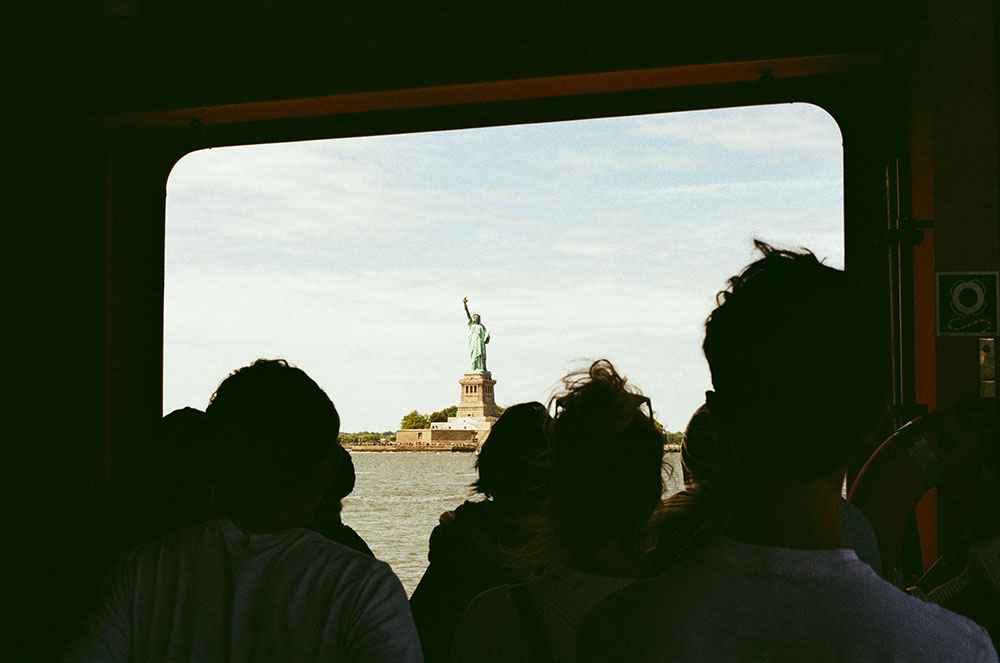

New York is far more than one district or some famous locations. Once you accept the local diversity, city exploration gets more impressive – yet, more demanding in terms of safety and preparation.
To explore New York this way, you need freedom of movement and a bit of planning. When your bags are left at Luggage Storage Times Square, you can move easily between districts and notice details. See practical tips that help you experience the city beyond Instagram pics.
Keep Your Baggage Safe and Far from Tourist Spots
Moving through New York with luggage feels uncomfortable almost immediately:
- Subway stations have long staircases;
- Sidewalks get crowded;
- Small cafés rarely have space for bags – rather another table to attract more people;
- People hurry up constantly, forming long queues.
While carrying all the stuff with you, even short distances feel tiring. Many travelers prefer to leave their bags at Radical Storage before hotel check-ins. This approach makes it easier to walk through busy districts like Midtown or switch lines without rushing.
Use the Subway Like a Local
Locals say New York rewards curiosity and tests patience. The first thing you think of in terms of transportation is taxis, which is a great way to see the city, but not the fastest one.
Locals use this method for a reason: it is fast, universal, and free from traffic jams. Yes, the subway looks confusing at first. But after one or two rides, patterns appear. Lines follow logic once you stop fighting it:
- Express trains save time if chosen correctly;
- Station signs explain more than expected, just learn to read them;
- Paper maps are still in use sometimes;
- Late-night trains still run often and are often free from crowds.
Understanding the subway reduces fear of distance. It turns the city into a connected system instead of separate zones.
Save Your Energy for Occasions You Truly Wait For
Dehydration, sleepiness, and physical exhaustion are tourists’ worst enemies. The moment you come to the city, let yourself have a little bit of rest in a hotel. And if you’re waiting for the check-in time, ask the manager for a lobby, use the airport’s lounge, or at least find a neat cafe close to your destination.
Adapt the lifestyle and set priorities. If you’re attracted to the Lower East Side’s nightlife, do not plan any activities early in the morning. Yes, Soho’s sunsets are attractive, yet you cannot see each place in one day.
Make sure you have enough water, take naps, and check yourself for jetlag symptoms. It’s better to see one great location at a time than running here and there, feeling tired.
Walk More Than You Planned
Who said the US is not walkable? Walking reveals New York in layers. In Soho, every ray of morning light reflects off the clean shop windows. A few miles north, Harlem feels completely different, especially in the evening when people gather for parties and music. Even a short walk between blocks can change the atmosphere, sounds, and inner feelings. These contrasts appear only when you move slowly and stay present. Leave your belongings at Radical Storage and let the city guide you as a free and enthusiastic traveler.
Save Emergency Contacts and Stay Connected
Safety first. Knowing how to protect yourself is crucial, especially in huge cities like New York:
- Save emergency contacts. In the US, 911 is a universal number for police and other emergency services.
- Ensure connection. Mobile Internet and cell calls can become your life-saving jacket. Foreigners should buy a local SIM card, and US residents should top up their cell data balance before departure.
- DO NOT rely on free Wi-Fi. Such spots may be used by cybercriminals.
- Download tracking apps. Such programs track your location and send it to the chosen contacts: wife, husband, parents, friends, etc.
Remember to install and set useful applications, such as Google/Apple Maps, wallets with several bank cards (just in case your card is blocked or runs out of loan limit), review aggregators for popular locations, food delivery programs, etc.
Learn Basic Street Etiquette
Small behaviors shape daily interactions. New York values awareness and respect for habits: stand to the right on escalators, do not block entrances or stairs, use Radical Storage to keep your belongings, and don’t drag huge suitcases around restaurants and subway stations. Small habits deserve silent approval – after all, you may need locals’ help.
Eat Outside the Tourist Zones
Food near major attractions is often overpriced. Do not limit yourself to a location just because your belongings/hotel are there. Small places serve fast, simple meals:
- Menus are shorter and clearer;
- Locals eat there without rushing;
- Such places show what the locals really eat, drink, and enjoy;
- The menu depends highly on the district;
- Prices stay reasonable.
Here, food becomes part of the daily rhythm, not an event. This is how many residents experience it.
Just Calm Down
A huge city like New York may feel overwhelming. Before you get tired of poor air quality and constant noise, take some time to relax. For example, visit parks between noisy locations. They reset energy and focus: you sit without pressure to move, city noise fades, and you have more time to observe the locals’ lifestyles. Moreover, small places give more insights into how the locals live.
Unpopular museums far from the center will also work. Try a small diner in a residential area, a local supermarket, or even a spa. After all, an evening at your hotel for a communal dinner can be refreshing.
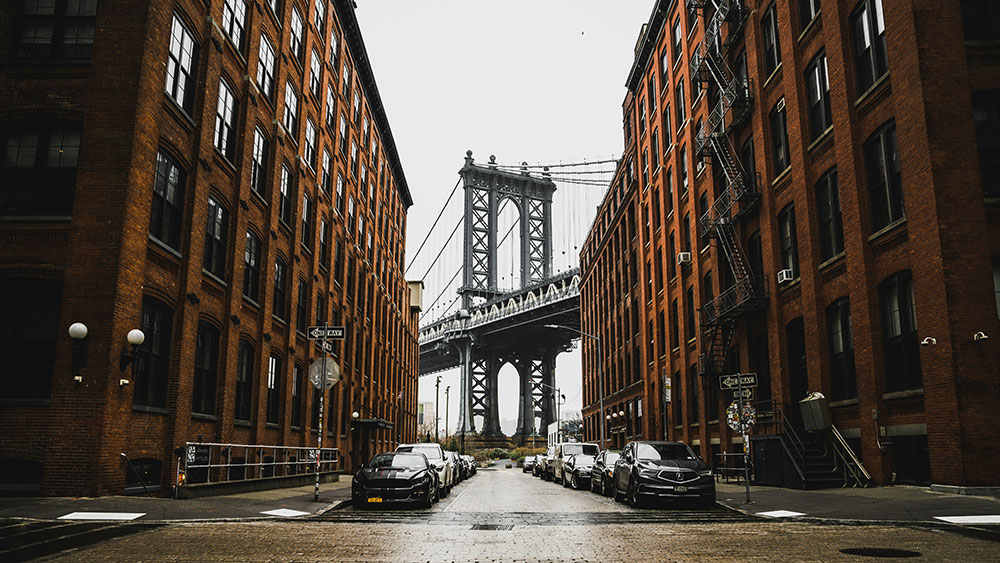
© Redd Francisco
Conclusion
Feeling the real New York comes from small decisions, not famous sights. After ensuring the safety of your baggage, prepare for discoveries. Managing baggage, planning routes, and slowing down at the right moments shape the experience. When movement feels easy, the city reveals itself naturally. New York rewards those who respect local rules and are willing to explore the local lifestyle.