


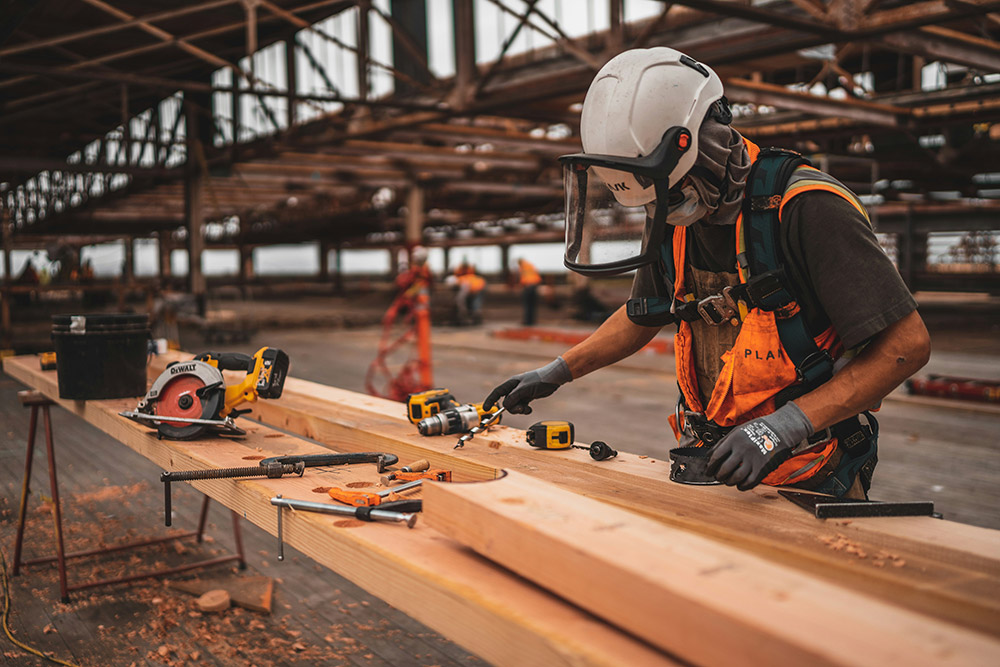

The construction and infrastructure sectors have always been critical to the growth and development of any economy. These industries provide the foundational structures and systems that power our communities—from buildings and bridges to transportation networks and utilities. However, what is often overlooked is the skilled workforce behind these monumental achievements. As projects grow in scale and complexity, the demand for skilled tradesmen is higher than ever before. But this increased demand brings challenges—especially when it comes to recruitment.
Skilled trades such as carpentry, welding, plumbing, electrical work, and masonry are the backbone of construction. Yet, with a shrinking pool of qualified workers and an increasing number of projects, the industry faces a significant talent shortage. As the world enters a new era of infrastructure development and urbanization, the role of skilled trades is becoming even more vital. To meet these growing demands, companies are increasingly turning to specialized recruitment agencies to find the right candidates.
In this article, we’ll explore how skilled trades are shaping the future of construction and infrastructure, and how businesses are addressing the challenge of finding and retaining the right talent.
The Growing Demand for Skilled Trades in Construction
The construction industry is undergoing a transformation. In the past, the focus was on simply building structures. Today, the scope has expanded to include smarter, more sustainable designs that require specialized knowledge and skills. From the integration of renewable energy systems to the construction of “smart” cities, technology and sustainability are now top priorities. These developments require a different set of skills—skills that only highly trained tradespeople possess.
Skilled tradesmen are no longer just the workers on-site who perform physical labor. They are the experts in their fields, often working with advanced tools and technology to bring the latest innovations to life. In fields like electrical work, for instance, there is a growing need for professionals who understand not only traditional wiring but also the latest energy-efficient technologies, smart systems, and renewable energy sources.
As the demand for more sophisticated infrastructure grows, so does the need for highly skilled tradesmen. Companies that are unable to attract or retain these workers face delays, rising costs, and missed opportunities. To address this, many construction and infrastructure companies are turning to recruitment agencies for tradesmen to help meet their hiring needs. These agencies specialize in connecting businesses with the most qualified candidates who have the exact skills and experience necessary for specialized roles in construction.