


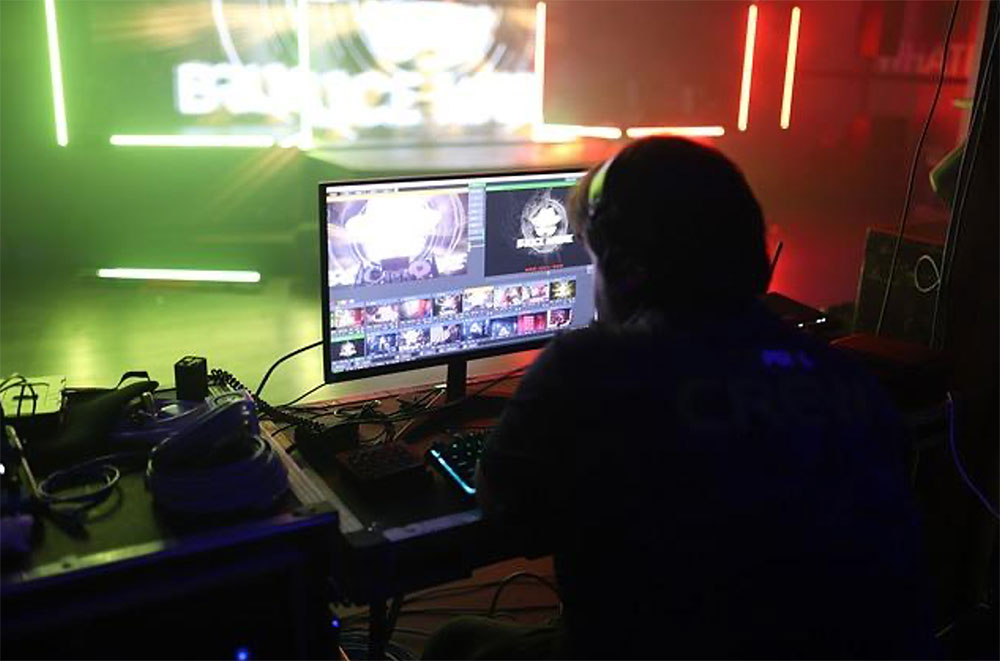

Spectators are no longer just watching. They are clicking, choosing, unlocking, voting, and influencing. From streaming platforms and live broadcasts to independent creator channels, the role of the viewer has shifted dramatically. Among the clearest examples are developments on the Kick streaming platform. From streamer updates to new platform features, users can see on hub sites just how interactivity is no longer optional, but central to building engagement.
The gamification of spectatorship is no longer a fringe experiment. It’s a structural shift redefining how entertainment is made, experienced, and measured. Viewers are now part of the logic driving media, from influencing outcomes to triggering events. What was once a one-way feed has turned into a dynamic feedback loop between creators and their audiences.
What Is Gamified Spectatorship?
Gamification refers to the use of game-like systems, such as choice-making, progress tracking, feedback loops, and rewards, in contexts that are not traditionally considered games. When applied to spectatorship, it means giving viewers the power to influence, alter, or respond to content as they watch it.
Unlike passive consumption, gamified spectatorship encourages interaction with tangible outcomes. This could be as simple as voting in a live poll that alters a scene, or as complex as participating in a real-time narrative that branches in different directions depending on collective viewer decisions. The content becomes dynamic, not static.
A clear example is Netflix’s interactive film Bandersnatch, where viewers are repeatedly prompted to make choices for the protagonist. These decisions lead to different story outcomes. Likewise, Twitch Plays Pokemon allowed thousands of viewers to control a single game via live chat commands, turning chaotic collective decision-making into a form of emergent entertainment.
Why Viewers Are Drawn to Interactivity
The pull of gamified content is deeply psychological. Viewers are no longer satisfied with merely watching a story unfold. They want influence. They want recognition. They want their choices to matter.
Interactivity satisfies several human needs:
- Autonomy: Making choices gives viewers a sense of control.
- Mastery: Navigating complex narratives or unlocking hidden features rewards skill and attention.
- Belonging: Participating with others in live experiences builds a sense of shared community.
Interactive formats are inherently more engaging. They demand attention, foster deeper emotional investment, and promote return visits. Watching becomes an act of exploration. Instead of a single narrative arc, viewers face branching paths and layered experiences. The result is a more immersive, stickier form of media.
Creators who embed interactivity often see measurable gains: higher average watch times, more comments, and increased social sharing. Viewers stay because they feel seen.
The Mechanics Behind the Experience
Gamified spectatorship isn’t magic, it’s architecture. Behind every interactive format lies a series of technical systems and design principles that mirror those found in video games.
Some of the core mechanics include:
- Branching narratives: Pre-written storylines with decision points and conditional pathways.
- Live feedback: Real-time polling, comment integration, or visual changes triggered by viewers.
- Progress tracking: Streaks, badges, or unlockable achievements tied to participation.
- Dynamic overlays: On-screen graphics, buttons, or widgets that let viewers interact mid-stream.
Twitch Extensions, for instance, allow streamers to incorporate viewer-driven features such as item choices, trivia questions, or visual alterations. On YouTube, end-screen decisions can guide users down custom content paths.
These tools give creators control over the interactivity level while handing viewers the illusion, and sometimes reality, of narrative power. Crucially, these experiences are measurable. Every vote, click, and response can be tracked and analyzed.
Real-World Formats Embracing Gamified Viewership
Gamified spectatorship isn’t limited to one genre, platform, or audience. It manifests across multiple forms of content, from interactive series to creator-led livestreams.
Interactive Streaming Platforms
Twitch is perhaps the most visible example of gamified spectatorship in action. Originally built for game streaming, Twitch has evolved into a two-way performance space where viewers can do far more than watch. They can influence outcomes.
Viewers accumulate channel points that can be redeemed for specific actions: changing the game environment, activating voice effects, or triggering custom on-screen elements. In some streams, audiences vote on what challenge the streamer should take on next or even control aspects of gameplay.
This format fosters a feeling of co-creation. The performer is no longer autonomous; the show unfolds as a live negotiation between host and crowd.
Interactive Series & Narratives
Netflix has pioneered several interactive narratives beyond Bandersnatch, including You vs. Wild and Unbreakable Kimmy Schmidt: Kimmy vs. the Reverend. These experiences offer viewers the power to navigate the story.
The mechanics vary: some choices lead to success, others to failure. In all cases, viewers must remain actively engaged, breaking the fourth wall of traditional storytelling. Completion rates and replay value tend to be higher, especially when viewers are curious about alternate endings.
This form of storytelling prioritizes agency. It’s not just about engagement, it’s about giving viewers a direct stake in the unfolding experience.
Creator Content with Game Mechanics
Short-form video creators are also embracing gamified interaction. On platforms like TikTok and YouTube Live, creators run challenge-based streams where viewers control tasks, content progression, or visual style via comments and likes.
Livestreams may use viewer-generated polls to decide what happens next. Some creators hide content behind engagement milestones, prompting viewers to collaborate to “unlock” the next piece.
Here, interactivity fuels virality. The creator offers partial control, and the audience rewards that with attention.
What This Means for Creators and Audiences
For creators, gamified formats offer both opportunity and complexity. On the one hand, they produce longer engagement times, richer data, and stronger community ties. Audiences become invested not just in content but in the process of creation.
On the other hand, interactive formats demand more planning, real-time responsiveness, and a willingness to cede control. They turn creators into facilitators, not just performers.
For audiences, the appeal is power. Interactivity provides a sense of authorship and immersion. But it also introduces expectations. Once viewers become accustomed to influencing outcomes, traditional one-way formats may seem flat or lifeless.
This shift in expectations reshapes not only how content is delivered but what audiences value most: responsiveness, personalization, and active participation.
What’s at Stake
Gamified spectatorship is not without its drawbacks. One challenge is narrative coherence. When too many decisions are placed in the audience’s hands, storytelling risks becoming disjointed or shallow. The tension between audience freedom and authorial intent becomes a design challenge.
There is also choice fatigue. Constant interaction can overwhelm viewers, particularly in formats where decisions are rapid or numerous. In some cases, the illusion of choice (where all paths lead to the same outcome) can cause disillusionment.
More subtly, gamified formats can introduce surveillance and behavioral engineering. Interactivity provides platforms with vast troves of engagement data. This information can be used to refine future content, or to manipulate behavior. Viewers may feel empowered, while in reality, their actions feed an algorithmic feedback loop.
Lastly, creators may lose narrative control. In crowdsourced formats, the whims of the audience can derail a carefully constructed arc. The quest for interactivity can become a race to the lowest common denominator, favoring spectacle over substance.
Where Gamified Spectatorship Is Headed
The trend toward gamification is accelerating. Platforms are testing new tools that blend machine learning, personalization, dynamic media generation, and even data from wearables. Devices like smartwatches and fitness trackers can provide biometric feedback such as heart rate, motion, and stress levels.
Future formats may:
- Adapt in real time based on biometric feedback (eye movement, heart rate).
- Shift storylines based on a viewer’s past behavior or preferences.
- Allow audiences to vote on script outcomes, character fates, or even casting.
AR and VR environments will enable fully immersive formats where viewers walk through the story world and interact with it physically. Rather than switching scenes, they may explore them.
We’re also likely to see more integration of audience metrics into live decision-making, not as gimmicks but as fundamental aspects of the experience design.
As audiences gain tools to shape content, new roles will emerge: viewer-as-producer, audience-as-architect. Participation may become more than a feature, it may become the medium itself.
The Viewer Is Now a Co-Creator
Gamified spectatorship marks a permanent evolution in how we engage with media. The viewer has become more than a witness. They are now a participant, a decision-maker, and in some cases, a collaborator.
This transformation redefines entertainment: interactivity is no longer a novelty; it is the new norm. As platforms and creators continue to explore the boundaries of what interactive media can be, the question is not whether viewers will participate, but how much control they will ultimately wield.
We are no longer just watching the story. We are shaping it, one decision at a time.