


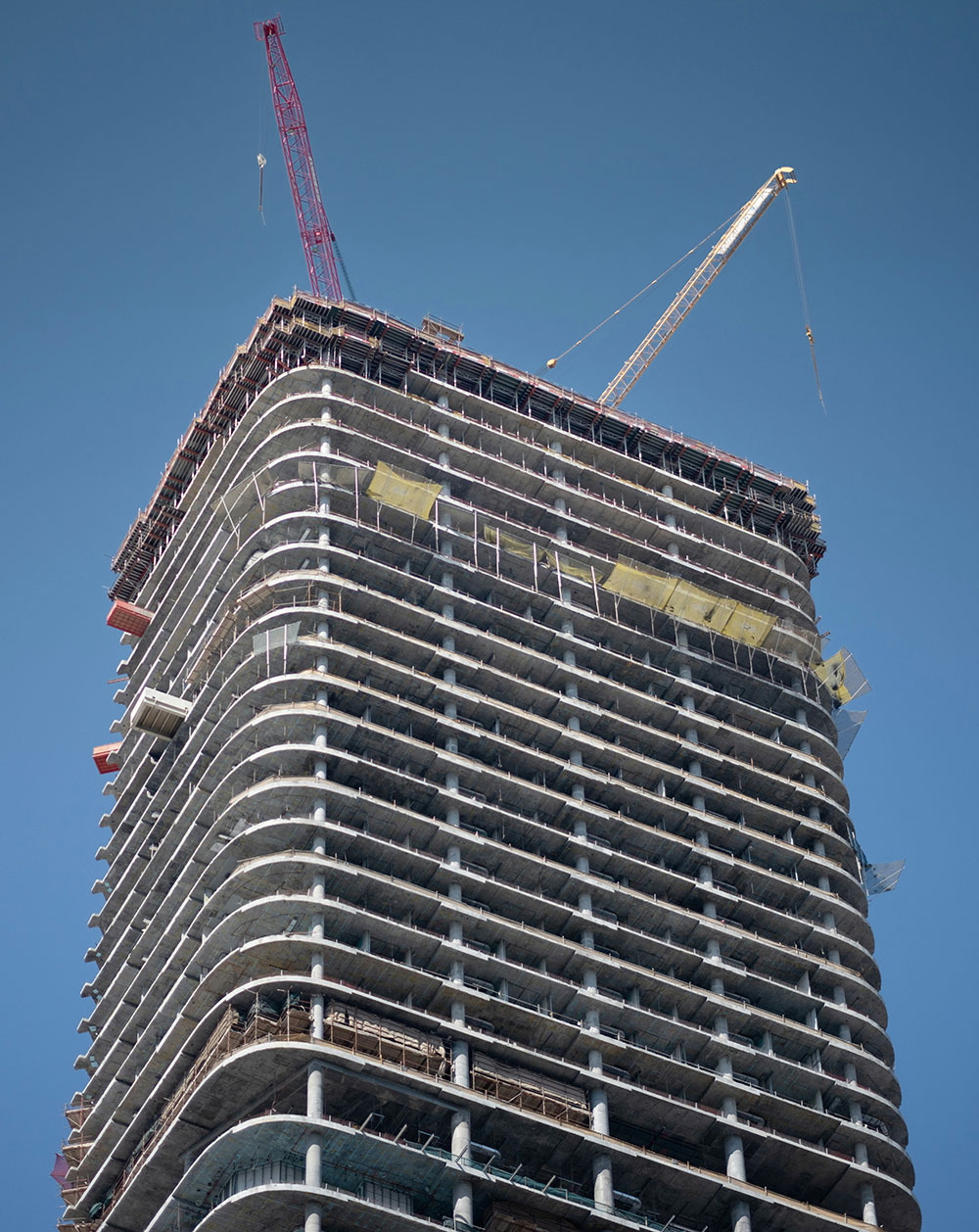

Energy efficiency is an investment that can pay off in tangible ways. In fact, with cities like New York planning to fine buildings that exceed carbon limits, energy efficiency will become more than just a “green” choice. You need to get ready for it to be a legal necessity.
Whether you own or manage a building, improving energy efficiency can lower operating costs, enhance comfort for tenants and even boost your building’s market value. With the right strategies and investments, you can create a space that works smarter and more sustainably.
High-performance building envelopes
The building envelope—think of it as the “skin” of the structure—is your first defense against the elements. In places like Chicago or Phoenix, where extreme temperatures are common, a solid envelope can make a huge difference in your energy bills.
Advanced insulation, such as spray foam or rigid boards, is much more effective than traditional fiberglass, as it prevents heat from sneaking through the walls. This is crucial during both the scorching summer and chilly winter months.
Smart glass or electrochromic windows are another game-changer. These windows automatically adjust their tint based on the sunlight’s intensity, helping to reduce solar heat gain without sacrificing natural light. They keep the indoor temperature stable, but also enhance the building’s aesthetics.
You could also consider installing cool roofs—roofs made from reflective materials or even vegetation—that bounce sunlight away and reduce the need for air conditioning.
Intelligent HVAC systems
Heating and cooling typically account for a major portion of a building’s energy use. To combat this, invest in intelligent systems that optimize energy use. Variable Refrigerant Flow (VRF) systems are a great option. They allow for individualized control, heating one area while cooling another—ideal for large office spaces with varying occupancy.
Another important component is the Dedicated Outdoor Air System (DOAS), which separates the heating/cooling functions from ventilation. This ensures fresh air circulation without the need to “over-condition” spaces.
Energy Recovery Ventilation (ERV) systems take it a step further by capturing energy from exhausted indoor air and using it to pre-treat incoming fresh air, saving on heating and cooling costs.
Smart lighting & controls
Lighting has come a long way, and it’s not just about switching to energy-efficient LEDs anymore. Daylight harvesting systems use sensors to automatically adjust indoor lighting based on the natural light available, ensuring you never waste energy. Occupancy and vacancy sensors are another simple but effective solution; they automatically turn off lights when a room is unoccupied.
In addition, modern lighting systems now integrate with ceiling tiles that work as part of a network. These tiles can communicate with each other and gather data about building usage, helping to further optimize energy consumption.
Building automation systems (BAS)
Think of BAS as the brain of an energy-efficient building. It continuously monitors energy usage and adjusts the system settings to prevent inefficiencies. For example, real-time analytics can predict energy spikes before they happen and adjust the building’s systems accordingly.
Additionally, demand response programs let buildings scale down non-essential power usage during peak grid hours, which can even result in credits from utility companies.
Sustainable power & water
On-site renewable energy sources like solar panels are becoming a standard feature in commercial buildings. Solar arrays can be mounted on roofs or carports, significantly reducing reliance on grid power.
Similarly, incorporating electric vehicle (EV) charging stations helps future-proof your building, but be sure to manage the energy load to avoid spiking your building’s demand during peak times.
Water use doesn’t have to be wasteful either. Graywater recycling systems allow you to repurpose water from sinks and showers for landscaping or cooling towers, reducing both water consumption and utility costs.
By making strategic upgrades, you’ll be creating a building that’s more sustainable, cost-effective, and future-ready.