


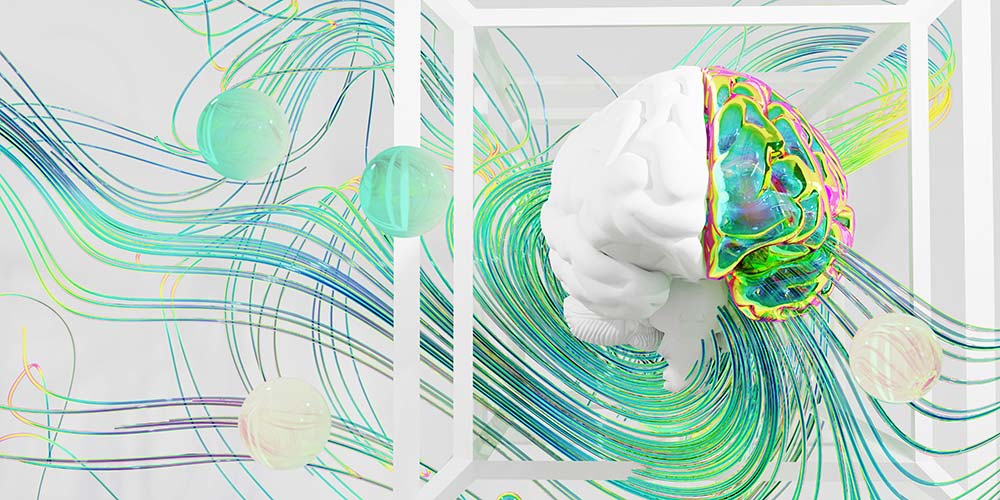

Dr. Michael Johnson brings decades of experience in holistic healthcare to the evolving science of neuroplasticity, an area that is reshaping how clinicians understand healing and recovery. His work reflects a growing recognition that the brain is not a fixed structure but a dynamic system capable of adaptation throughout life.
Neuroplasticity describes the brain’s ability to reorganize neural networks in response to experience, injury, and intentional intervention. These changes influence cognitive performance, emotional regulation, pain perception, and physical function. Within functional medicine, neuroplastic principles are increasingly used to support targeted strategies that address underlying neurological patterns rather than isolated symptoms, offering new possibilities for sustained improvement across both brain and body.
Understanding Neuroplasticity in Modern Healthcare
Interest in neuroplasticity has grown as research shows how experience, environment, and intentional practice shape neural networks. These changes occur throughout life, offering opportunities for healing and growth. Neuroplastic mechanisms influence memory, movement, mood regulation, and sensory processing.
Functional medicine practitioners often use these insights to explore how chronic stress, trauma, or illness may alter neural patterns and contribute to ongoing symptoms. Neuroplasticity brings a hopeful perspective.
Instead of believing that the brain’s structure is fixed, individuals learn that their choices and experiences can redirect how their brain functions. This idea supports integrative strategies that reinforce healthier patterns through repetition, training, and renewed awareness.
“Neuroplasticity gives a person the chance to rebuild communication between the brain and body in a way that moves them toward better health,” says Dr. Michael Johnson.
How Stress and Lifestyle Shape Neural Patterns
Daily habits can either support or disrupt neural pathways. Nutrition, rest, physical activity, and stress exposure all influence the way the brain communicates with the body. Persistent overload may reinforce patterns that produce anxiety, pain sensitivity, or dysregulated sleep. Functional medicine evaluations often explore these influences to uncover which patterns have become ingrained and which are open to change.
Understanding how lifestyle shapes neural circuits can help individuals make informed choices. Improvements often begin with consistent sleep, balanced nutrition, and regulated stress responses. These changes create an environment in which the brain can adapt more effectively. When the nervous system is overwhelmed, learning becomes difficult. When it is supported, new pathways strengthen more readily.
Neuroplastic Approaches for Pain and Chronic Conditions
Chronic pain reflects a mix of biological and neurological influences. In some cases, the brain may begin to interpret signals inaccurately, reinforcing pain responses. Neuroplastic interventions can help retrain how the brain processes sensory information. Gradual exposure to safe movement, targeted exercises, and cognitive strategies can reduce the intensity or frequency of pain by reshaping neural pathways.
Functional medicine practitioners often incorporate movement-based therapies, breathing practices, or sensory retraining to encourage healthier signaling. These interventions rely on repetition and practice, which help the brain form new patterns over time.
“The brain changes through experience, and intentional experience is one of the most effective ways to guide that change,” notes Dr. Johnson.
Cognitive Enhancement Through Neuroplastic Training
Neuroplasticity also plays a role in cognitive performance. Memory, focus, and problem-solving can improve when individuals engage in targeted mental activities. Cognitive training exercises, language learning, and structured brain challenges activate networks that strengthen processing speed and adaptability. These tools can support individuals experiencing age-related cognitive shifts or seeking improved clarity for daily tasks.
Functional medicine practitioners may also explore how nutrition, oxygenation, circulation, and inflammation affect cognitive performance. Genetic factors, nutrient deficiencies, or metabolic issues can influence how well the brain responds to cognitive training. When combined with neurological exercises, personalized wellness plans can produce measurable improvements in mental sharpness and resilience.
Emotional Health and the Influence of Neuroplasticity
Emotional regulation is linked to neural pathways that respond to stress, connection, and internal cues. Traumatic experiences, ongoing fatigue, or long-term overwhelm can reinforce circuits that keep individuals in heightened states of vigilance.
Neuroplastic strategies can help recalibrate these responses. Practices such as controlled breathing, mindfulness training, or somatic awareness exercises can shape pathways related to calm, focus, and internal balance.
These approaches align with functional medicine’s commitment to addressing the full experience of the individual. Emotional stress influences the immune system, digestion, hormonal balance, and cardiovascular function. By influencing neural circuits that support regulation, individuals can improve both emotional and physical wellness.
“Helping the brain create healthier patterns supports the entire system, not only the mind,” says Dr. Johnson.
Neuroplasticity and Movement-Based Recovery
Movement plays a central role in sustainable neuroplastic change. Each step, gesture, or form of physical activity sends signals that reinforce the relationship between the brain and body. Functional neurology often uses precise exercises to stimulate specific areas of the brain, improving balance, coordination, and motor control. Repeated movements strengthen neural pathways, guiding the brain toward more efficient function.
Individuals recovering from injury, neurological conditions, or chronic pain often benefit from structured movement programs. These interventions respect the pace at which the brain adapts, reducing overload while maintaining progress. Even gentle repetitive activity can produce meaningful change over time, helping individuals regain mobility or confidence in daily movement.
Nutritional and Metabolic Factors That Influence Neuroplastic Change
Brain function depends on energy production, nutrient absorption, and balanced neurotransmitter activity. Functional medicine approaches neuroplasticity strategies for brain health with attention to these elements, recognizing that biological support enhances neurological adaptability. Omega-3 fatty acids, antioxidant-rich foods, and targeted nutrient supplementation may help stabilize cell membranes and improve signaling.
Metabolic health also shapes neuroplastic capacity. Blood sugar fluctuations, chronic inflammation, and poor sleep patterns can weaken the brain’s ability to learn or reorganize. When practitioners combine metabolic support with neuroplastic strategies, individuals often experience more consistent long-term gains. Personalized care allows for targeted adjustments that align with each person’s unique physiology.
Environmental Inputs and Sensory Influence on Brain Function
Environmental signals play a role in shaping neural pathways. Light exposure, sound patterns, screen usage, and sensory experiences influence circadian rhythm and stress responses. Functional medicine integrates these factors into personalized plans, helping individuals create environments that support adaptive neurological change.
Some individuals benefit from reducing sensory overload, while others thrive with structured sensory stimulation. Adaptations may involve light adjustment, time outdoors, structured rest periods, or improved sleep hygiene. When external inputs support the body’s rhythm, neuroplastic progress often accelerates.
The Future of Neuroplasticity in Functional Medicine
Research in neuroplasticity continues to expand, offering new tools for integrative practitioners. Advances in brain imaging, genetic insights, and metabolic analysis give practitioners clearer understanding of how neural pathways evolve throughout life. Functional medicine will remain a strong contributor to this field as it brings together lifestyle integration, personalized care, and physiological support.
The growing recognition of neuroplasticity’s role in healing encourages individuals to take active steps in reshaping their wellness. Intentional practice, supported by biological stability, helps the brain create patterns that align with long-term goals. As functional medicine continues to evolve, neuroplastic strategies will remain a central component of personalized healthcare, guiding individuals toward renewed vitality and improved quality of life.