

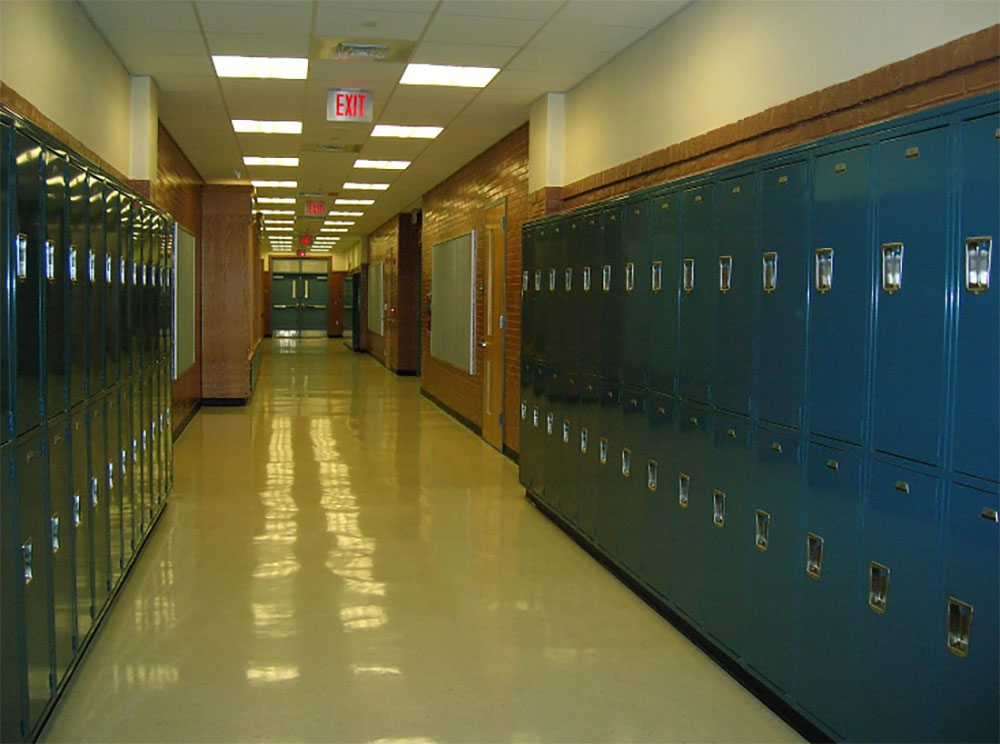

School lockers are a common occurrence in hallways worldwide. They were a symbol of routine, order, and the daily routine of school life. Education settings are, however, evolving today. Schools are changing their infrastructure to accommodate digital tools, flexible schedules, and changing safety priorities. This begs the question: do traditional lockers still matter or are they gradually getting phased out?
The Original Purpose of School Lockers
The introduction of lockers was practical and direct. Students dragged heavy textbooks, sports equipment, and personal items with them all day. Lockers were an excellent space to leave items and ease the physical burden. They also promoted order where each student had a personal space in a crowded school environment.
Hallways lined with metal lockers reflected a predictable routine built around fixed class periods and paper-based learning. That structure shaped school design for generations. Yet the conditions that made lockers essential have begun to shift.
Changing Classroom Dynamics and Student Needs
Modern classrooms appear quite different compared to the old ones. Tablets, digital textbooks, and cloud-based assignments have greatly minimized the use of physical materials, which are bulky. Most students are walking around with one lightweight gadget rather than carrying several books. Even learning itself has become more fluid. Project-based work and blended schedules have replaced strict timetables.
This is why lockers often sit unused for long periods. Some schools have discovered that the students hardly open them at all. Previously occupied by rows of lockers, hallway space is being reevaluated to either offer work areas or seating or to enhance traffic flow. In this sense, old locker designs do not fit well with the student movement and learning.
Maintenance, Security, and Safety Issues
In addition to usage patterns, the issue of safety has taken center stage. Big locker banks may be a source of congestion during class changes, which can lead to accidents or fights. It can be hard to monitor these areas, too. This imposes an extra burden on the staff and social workers involved in student well-being.
Maintenance is another factor. Old lockers need upkeep, repairs, and even replacements. Locks break, doors jam, and schools with limited budgets have to balance these expenditures with other needs. Upgrading technology or student aid, for example. This reallocation of resources into more effective applications encourages students to step up and serve their communities.
Emerging Alternatives to Traditional Lockers
Many schools are trying alternatives to removing storage outright. Some have introduced smaller and shared storage, which is used on a short-term basis. Others are embracing smart storage control systems where digital access rights are imposed to curb abuse and enhance accountability. In certain cases, hallway lockers are being completely substituted by classroom-based cubbies or mobile storage carts.
There is also a growing focus on partnerships with a locker company that offers modular, space-efficient designs. These solutions are meant to strike a balance between security and contemporary aesthetics and flexibility. Quantity is no longer the focus; careful incorporation into the learning environment is.
Are Lockers Truly Disappearing or Simply Evolving?
Not all lockers are disappearing; rather, they are undergoing redesign rather than elimination in most schools. Younger students, athletes, and those without reliable digital access may still depend on physical storage. What is changing is the role lockers play. They are becoming one component of a broader, more adaptable system rather than a fixed fixture.
Endnote
Traditional school lockers are not entirely out of use, but their dominance is declining. Technological innovations, changing student requirements, and increasing focus on safety are transforming the way schools consider storage. Instead of long rows of identical metal boxes, the future points toward flexible, purpose-driven solutions. In this way, lockers are evolving to support modern education rather than standing in its way.