


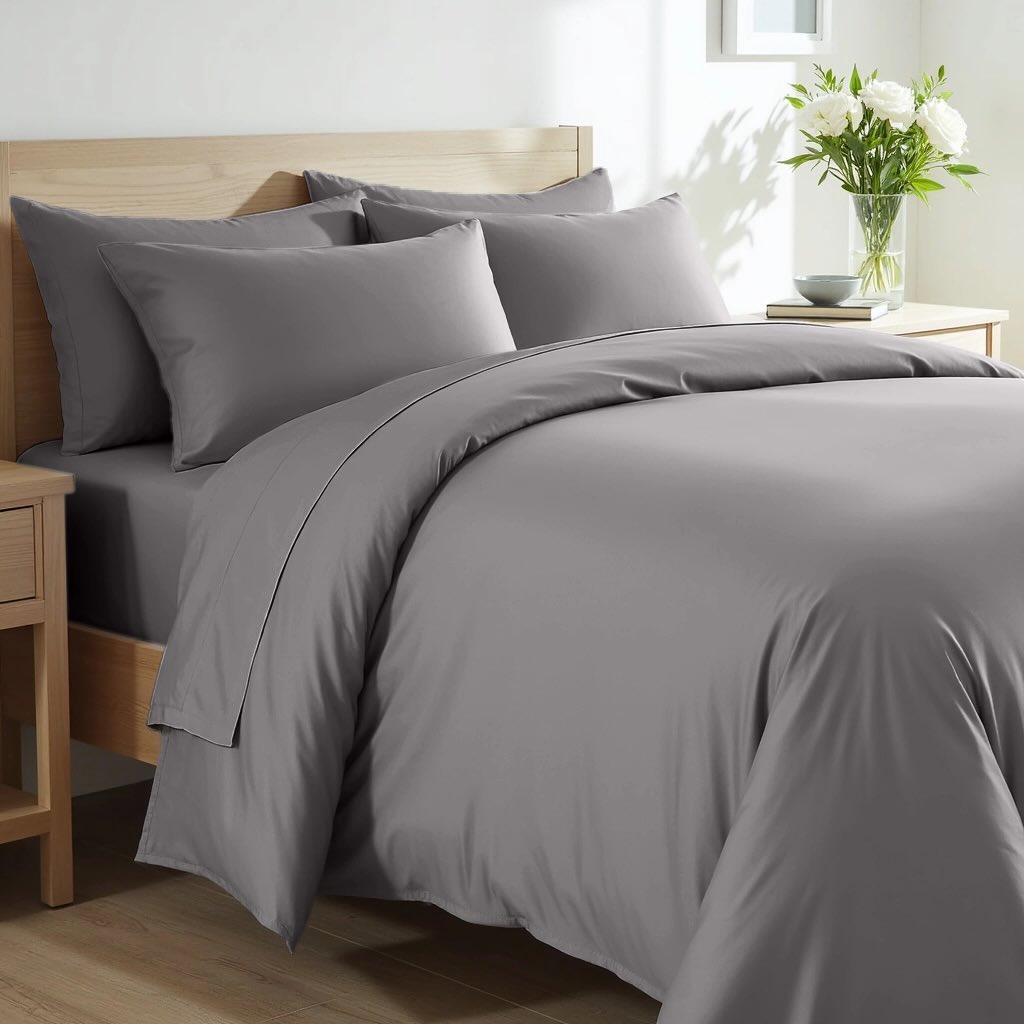

Building a cleaner bedroom goes beyond just making your bed and picking up clothes. Your bedroom accumulates dust, allergens, bacteria, and other contaminants that affect sleep quality and overall health. Most people spend 6-8 hours nightly in their bedrooms breathing recycled air filled with invisible particles.
The average bedroom contains millions of dust mites feeding on dead skin cells. Bacteria colonies flourish on sheets, pillowcases, and mattresses despite regular washing. Poor air quality from inadequate ventilation traps pollutants and allergens. These conditions create sleep environments that work against your health.
This guide provides actionable strategies for building a cleaner bedroom that promotes better sleep and wellbeing.
Why Bedroom Cleanliness Matters For Health
Understanding how bedroom conditions affect your health motivates better cleaning and maintenance habits. The connection between sleep environment and wellbeing runs deeper than most people realize.
You spend roughly one-third of your life in bed surrounded by bedding and bedroom air. During this time, you breathe deeply and your immune system performs important recovery functions. Poor bedroom hygiene compromises these natural processes through constant allergen and bacteria exposure.
Dust mites thrive in mattresses and bedding, producing waste proteins that trigger allergies and asthma. Their populations explode in warm, humid bedrooms with inadequate cleaning. A single mattress can harbor millions of these microscopic pests feeding on your dead skin.
Bacteria on sheets and pillowcases transfer to skin causing acne breakouts and infections. Most people unknowingly sleep on bacteria colonies numbering in the millions nightly.
According to research on indoor air quality, bedroom pollutants significantly impact respiratory health and sleep quality.
Quality bedding forms the foundation of building a cleaner bedroom environment.
Start With Antimicrobial Bedding
The easiest step toward building a cleaner bedroom involves upgrading to antimicrobial bedding. This single change addresses multiple cleanliness issues simultaneously through continuous bacteria protection.
How Antimicrobial Bedding Works
Antimicrobial sheets and pillowcases contain silver particles embedded in fabric fibers. The silver releases ions when moisture contacts the fabric, attacking bacteria on multiple fronts. This prevents bacterial colonies from establishing on your bedding between washes.
Regular sheets become bacteria breeding grounds within days of washing. Antimicrobial bedding maintains 99.9% bacterial reduction through continuous protection. The technology works around the clock without requiring any special effort from you.
Extended Freshness Benefits
Antimicrobial bedding stays fresh 2-3 weeks between washes compared to weekly washing for regular sheets. This reduces laundry burden while maintaining superior hygiene standards. Less frequent washing also extends bedding lifespan by reducing wear from constant laundering.
The bacteria reduction benefits skin health by preventing acne-causing bacteria buildup on pillowcases. Many dermatologists now recommend antimicrobial bedding for patients struggling with breakouts. Dust mites find antimicrobial bedding less hospitable because their food sources diminish.
According to textile hygiene studies, antimicrobial treatments provide significant health benefits for people with allergies and respiratory sensitivities.
Improve Bedroom Air Quality
Clean air matters just as much as clean surfaces when building a cleaner bedroom. Several strategies improve air quality without expensive equipment or major renovations.
Essential air quality improvements for cleaner bedrooms include:
- Open windows daily for 10-15 minutes allowing fresh air circulation
- Use HEPA air purifiers removing 99.97% of airborne particles
- Add indoor plants like snake plants or pothos filtering toxins
- Run exhaust fans or dehumidifiers controlling moisture levels
- Vacuum regularly with HEPA filters capturing allergens
- Avoid synthetic air fresheners releasing chemical compounds
Opening windows provides the simplest air quality improvement available. Fresh outdoor air dilutes indoor pollutant concentrations dramatically within minutes. Even cold weather permits brief window opening for air exchange.
HEPA air purifiers actively remove dust, pollen, pet dander, and other allergens continuously. Run purifiers on low settings overnight for constant filtration while you sleep. The white noise often helps people fall asleep faster as bonus benefit.
Indoor plants naturally filter toxins from air while producing oxygen. Snake plants and pothos work particularly well in bedrooms requiring minimal care. Two or three plants make noticeable differences in air freshness.
Humidity control prevents mold growth and reduces dust mite populations simultaneously. Keep bedroom humidity between 30-50% for optimal conditions. Dehumidifiers help in humid climates while humidifiers assist in dry regions.
Consider quality cooling sheets that regulate temperature and reduce nighttime sweating.
Establish Smart Cleaning Routines
Regular cleaning prevents allergen and dust buildup that constant exposure creates. Strategic cleaning routines maintain bedroom cleanliness without consuming excessive time or energy.
Weekly Cleaning Tasks
Wash bedding weekly or bi-weekly depending on antimicrobial protection status. Strip beds completely including mattress protectors for thorough cleaning. Hot water washing kills dust mites and removes allergens more effectively.
Vacuum floors and carpets using HEPA-filtered vacuums capturing microscopic particles. Pay special attention under beds where dust bunnies accumulate undisturbed. Hard floors need damp mopping removing settled dust that vacuuming misses.
Dust all surfaces including nightstands, dressers, and window sills systematically. Use damp cloths that capture dust rather than spreading it around. Work top to bottom so settled dust gets captured at floor level.
Monthly Deep Cleaning
Vacuum mattresses removing accumulated dead skin cells and dust mites. Use upholstery attachments getting into seams and tufted areas thoroughly. This simple task dramatically reduces allergen exposure during sleep.
Wash pillows following care label instructions for material type. Most pillows tolerate machine washing every 3-6 months maintaining freshness. Replace pillows showing lumping or losing shape after 1-2 years typically.
Clean under furniture moving beds and dressers accessing hidden dust accumulation. These neglected areas harbor significant allergen deposits over time. Wipe down walls and baseboards removing dust that settles vertically.
Quality towels with antimicrobial properties complement clean bedroom environments.
Reduce Clutter And Dust Collectors
Excessive bedroom clutter creates countless surfaces accumulating dust and allergens. Minimizing unnecessary items simplifies cleaning while improving overall bedroom hygiene significantly.
Common items that collect dust and complicate bedroom cleaning:
- Excessive decorative pillows requiring constant washing or dusting
- Stuffed animals harboring dust mites and allergens abundantly
- Open shelving displaying knickknacks needing individual cleaning
- Fabric window treatments collecting airborne particles continuously
- Under-bed storage creating inaccessible dust accumulation zones
- Carpet and rugs trapping allergens despite regular vacuuming
Reduce decorative pillows to functional minimum keeping beds cleaner. Wash decorative pillows monthly or store them elsewhere during sleep hours. The fewer fabric items on your bed, the less allergen accumulation occurs.
Replace heavy curtains with washable blinds or simple curtain panels. Curtains act like giant air filters collecting everything floating through bedrooms. Washable options allow regular cleaning maintaining freshness easily.
Use enclosed storage rather than open shelving for better dust control. Closed drawers and cabinets prevent dust from settling on stored items. This dramatically reduces cleaning surface area requiring regular attention.
Consider hard flooring over carpet if renovating or moving bedrooms. Hard surfaces release trapped allergens more readily through cleaning. Carpets hold allergens deep in fibers despite thorough vacuuming attempts.
Maintain Mattress And Pillow Hygiene
Your mattress and pillows require special attention when building a cleaner bedroom. These items contact your body for hours nightly but rarely receive adequate cleaning attention.
Use waterproof mattress protectors creating washable barriers against sweat and skin cells. Quality protectors wick moisture while preventing dust mite colonization underneath. Wash protectors monthly maintaining the protective barrier effectiveness.
Vacuum mattresses quarterly using upholstery attachments and HEPA filtration. This removes surface dust mites and accumulated dead skin cells. The simple maintenance dramatically improves mattress hygiene between replacements.
Replace pillows every 1-2 years as they accumulate dead skin and dust mites. Old pillows can double in weight from contamination accumulation over time. Fresh pillows provide better support while reducing allergen exposure.
Flip and rotate mattresses every 3-6 months promoting even wear and cleaning. This practice extends mattress lifespan while providing cleaning access to all surfaces.
Creating Long-Term Bedroom Cleanliness
Building a cleaner bedroom requires combining multiple strategies for sustained results. No single approach addresses all cleanliness factors affecting sleep environments.
Start with antimicrobial bedding providing continuous bacteria protection between washes. Add regular cleaning routines removing dust and allergens systematically. Improve air quality through ventilation and filtration reducing airborne contamination.
Reduce clutter minimizing surfaces collecting dust and allergens unnecessarily. Maintain mattress and pillow hygiene through protective barriers and regular cleaning. These layered approaches create genuinely cleaner bedrooms supporting better health.
The investment in building a cleaner bedroom pays dividends through improved sleep quality and reduced allergy symptoms. Small consistent efforts maintain cleanliness more effectively than occasional deep cleaning marathons.
Visit Miracle Made for antimicrobial bedding designed to support cleaner bedroom environments.