


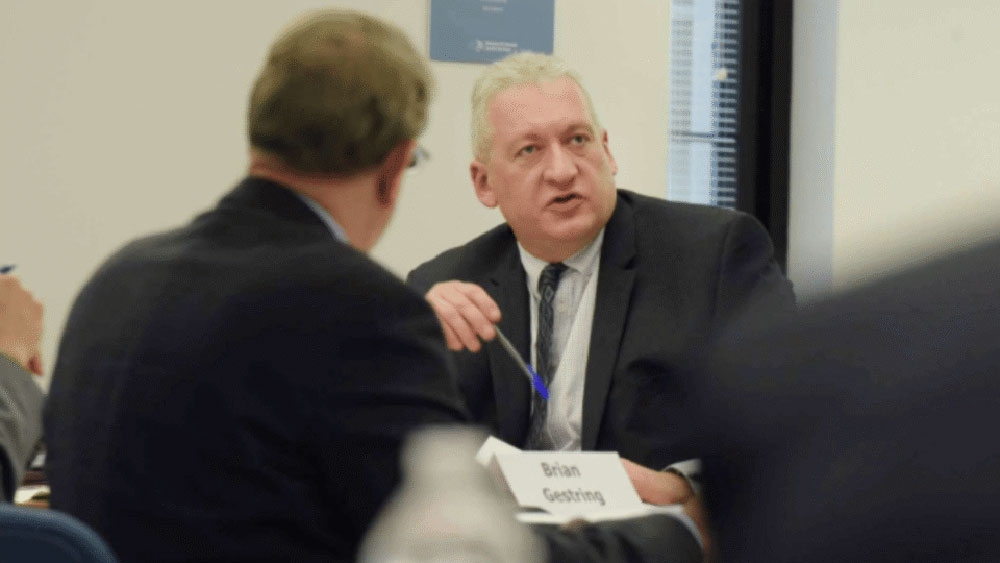

The best way to change the future is to change the way people are being taught today. Brian Gestring, a forensic scientist and consultant with 4n6Services LLC, asks forensic academic programs the simple question, “If you could change one thing to make forensic science better, what would it be?”
It’s not a hypothetical question for Brian. Over his three decades in forensic science, he has held nearly every role from scene investigator to director. He’s worked in, supervised, and managed some of the largest and busiest crime labs in the country. Brian has also taught undergraduate and graduate courses and directed a university forensic science program.
He’s seen the problem from both sides. As a crime lab executive, he was responsible for screening and interviewing new candidates for one of the largest crime labs in the country. As an academic, he was responsible for preparing the next generation of forensic professionals.
The Missing Link in Forensic Education
Brian Gestring believes that forensic science programs today teach the underlying science and the techniques used in modern forensic practice but omit the most important thing. How to figure out what went wrong when an error occurs with one of their procedures.
Like aviation or nuclear power, forensic science is a high consequence industry. We can’t afford to get it wrong, but as recent news accounts verify, sometimes we do. In those cases, understanding how to investigate failures and ensure that other cases aren’t affected is a critical skill and something every forensic scientist should know.
Why Systems Thinking Matters
Forensic results are key pieces of evidence in criminal trials. If everything works as intended, they can ensure that the perpetrators of violent crime are held to account before others can be harmed by the same individuals. When things go wrong, innocent people can find themselves in an unforgiving criminal justice system as more people are victimized by the same offenders.
Teaching future forensic scientists how to evaluate failures when they occur, how to understand how many other cases might have been affected and how to take appropriate corrective action might be the most important skill we are not teaching to future forensic scientists.
A Critical Gap
Forensic scientists didn’t start to understand how important this skill was until it was first incorporated into the international accreditation standards. The standards required that forensic providers incorporate the concepts of root cause analysis and corrective action into their quality manual, but they never required any formal training. Current forensic labs did the best they could, some even getting their programs off the internet. Since forensic academic programs rarely cover this topic in sufficient depth, new forensic scientists must learn this skill on the job from people who figured it out on their own.
Academic programs were similarly oblivious to the concepts of root cause and corrective action. Those that came to academia after being practitioners had never experienced it in the field or truly understood its significance. Those that were pure academics hadn’t even considered the concept.
Educating the Educators
Before forensic academics can successfully incorporate this critical content into their programs, they must first learn it themselves. This means that colleges and universities that offer these programs need to also invest in professionally developing members of their staff
From the Labs to Leadership
Gestring’s work is not only about improving lab procedures; it is also about creating leaders. The forensic scientists of the future will eventually become supervisors, managers and policymakers. Their ability to comprehend both the science and the system will ultimately determine how reliable forensic evidence will be in the courtroom.
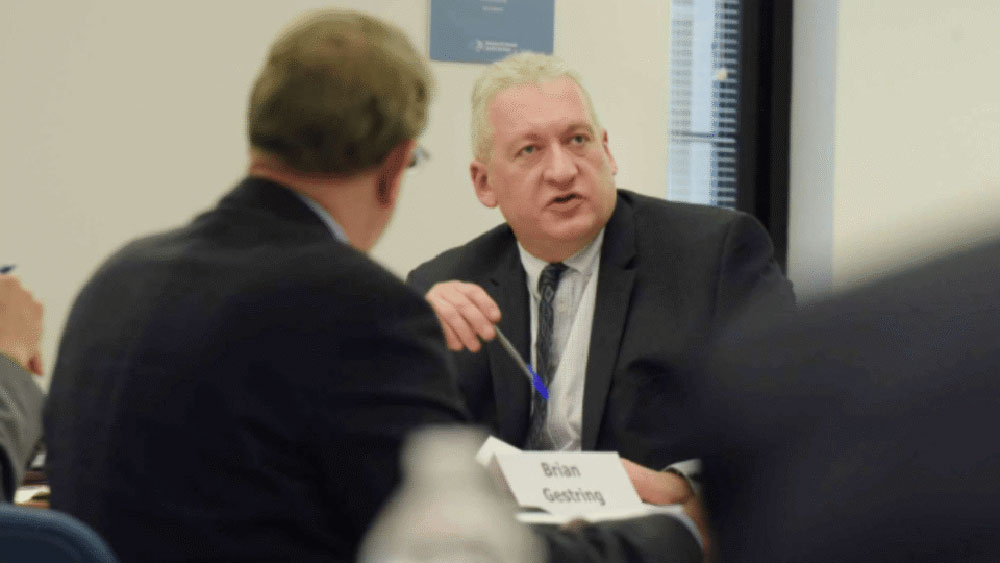
© Brian Gestring
Gestring makes a simple yet compelling statement: “Technical skill without systems understanding creates blind spots.” These blind spots can create inefficiencies, human error and even lead to wrongful convictions.
What’s Next?
In 2025, Gestring continues to build the bridge between education and practice. Through his consulting firm, 4n6Services LLC, and his YouTube Channel, Fixing Forensics, he shares insights that merge science, management, and practical problem-solving. His ultimate goal is to create forensic science that is not only more reliable, but also more resilient which means it can detect and recover from an error quickly.
Gestring feels that better science results from better systems. Forensic providers who understand both can create long-term positive impacts — in the lab, in the justice system and in public confidence.
Conclusion
Brian Gestring reminds us that forensic science is a sociotechnical system. People interacting with technology can fail if we don’t understand all the components of the system. By making the system stronger, we make the science more reliable and resilient.