


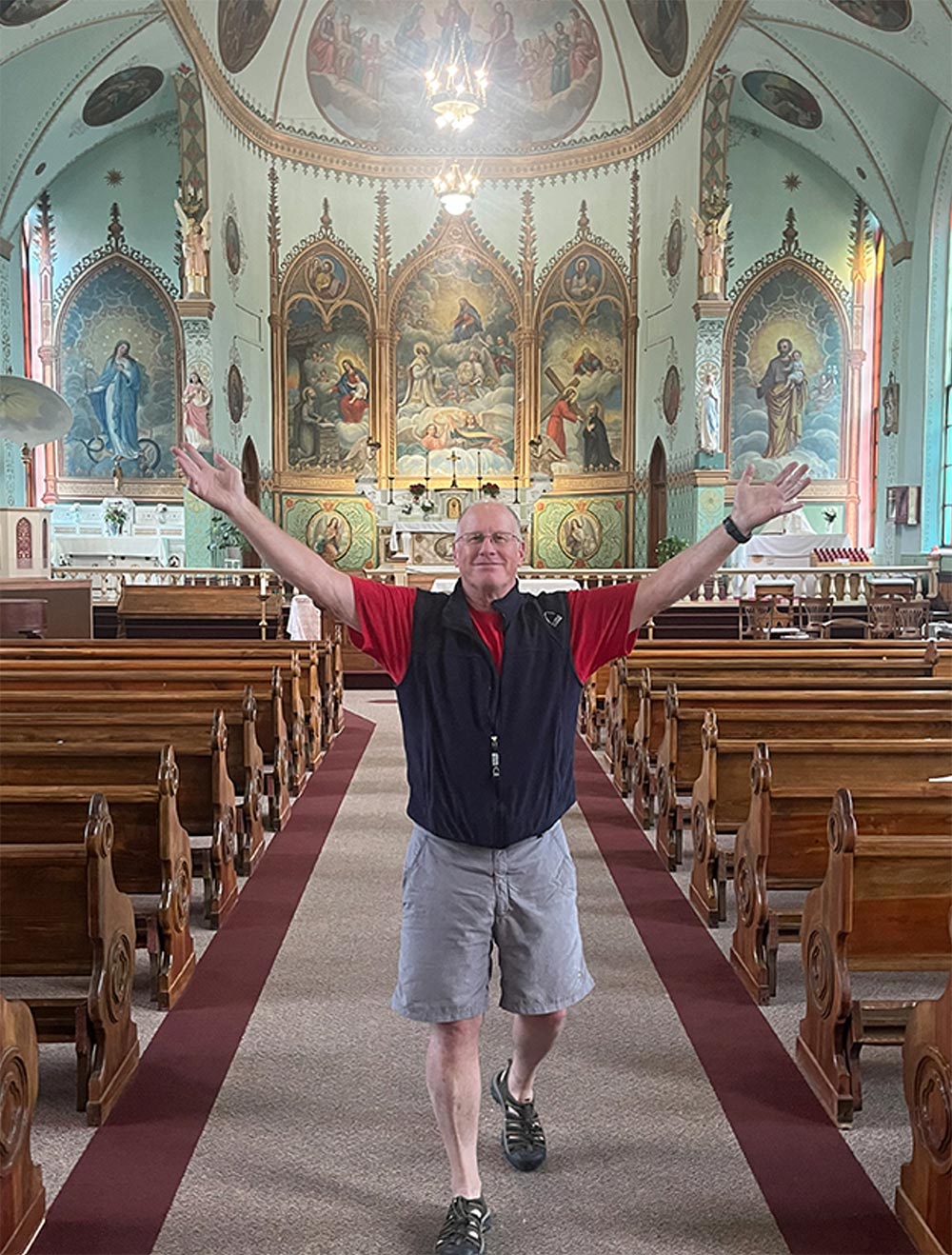

Music has a way of shaping a life. It does not always happen through sudden transformation, but through steady guidance and meaningful moments. For many singers, the story begins with a spark: a school choir, a church hymn, or a teacher who recognizes a voice worth nurturing. For baritone singer James Armstrong, that spark first appeared in the quiet, expansive beauty of Kalispell, Montana, where music became not only a passion but a lifelong companion.
Early Roots in Choir and Church
He discovered the joy of choral singing in middle school, where early rehearsals offered a sense of discovery and belonging. Like many young musicians, he did not yet understand how formative those moments would be. He only knew that the act of singing, blending with others, and learning to listen as much as to project his voice, felt natural. His experience deepened when he joined the Concert Choir at Flathead High School. Under the guidance of dedicated directors, he learned the technical and expressive demands of choral music, from phrasing to discipline to the camaraderie that forms when dozens of voices move together.
Church also played a meaningful role in his early musical life. Raised in the Presbyterian tradition, he grew up surrounded by hymns, organ music, and the rich harmonic beauty of sacred song. Whether singing from the pews or simply absorbing the sound, he was developing the emotional vocabulary that sacred music requires. This foundation would later resurface in significant and rewarding ways.
A Collegiate Chapter: The Princeton Nassoons
His love for music continued at Princeton University, where he joined the Princeton Nassoons, the university’s oldest all-male a cappella group. These were formative years, shaping both his musical growth and personal development. Singing in an a cappella ensemble offered a master class in precision, teamwork, and vocal awareness. Without instrumental support, every entrance, blend, and chord had to be intentional and finely tuned.
He served as the Nassoons’ Business Manager, coordinating travel, logistics, and performances while also rehearsing and singing with the group. The ensemble toured the East Coast and Midwest, sharing music with audiences from a wide range of schools, clubs, and communities. They also produced an album that captured their repertoire, along with the friendships, late-night rehearsals, and collaborative spirit that defined their work.
Returning to Montana and Growing as a Baritone
In time, he returned to Montana, bringing his musical dedication with him. Today, James Armstrong sings as a baritone with the Missoula Symphony Chorale, a dynamic community of musicians known for bringing major choral and symphonic works to life. The ensemble’s skill and cohesion elevate each rehearsal, and performing with a full symphony orchestra provides a sense of scale and depth that every choral singer treasures.
One of the highlights of his recent musical experience came with the performance of the Verdi Requiem, a powerful and emotionally charged work that challenges every section of the choir. Preparing and presenting such a monumental composition required trust, unity, and shared commitment from the entire ensemble. Standing onstage as the final notes faded became a moment of both accomplishment and deep gratitude.
Each winter, he also performs with the Missoula Symphony Chorale in the annual Holiday Pops concert. The event brings festive arrangements, familiar carols, and a strong sense of community spirit to the stage. It is a musical homecoming that celebrates tradition and connection.
A Sacred Dimension: The Lamb of God Oratorio
In addition to symphonic choral work, he sings with an interfaith chorale that performs Lamb of God, the sacred oratorio composed by Rob Gardner. This piece holds a special place in his musical life. Its emotional depth, narrative power, and expressive score resonate with both singers and audiences.
In 2024, he had the honor of performing as a soloist in the role of Judas. Approaching this complex character required not only vocal preparation but also introspection and emotional nuance. Gardner’s writing portrays Judas in a humanizing and thoughtful way, inviting both performer and listener to consider the character with empathy. Bringing the role to life alongside a dedicated chorus and orchestra became yet another profound artistic experience.
A Lifelong Companion
Throughout his life, music has brought community, discipline, and joy. From school choirs to university ensembles, from church hymnals to symphonic works, and from intimate rehearsals to full-stage performances, singing has remained a constant source of purpose and expression.
Whether standing onstage under bright lights or rehearsing with friends on an ordinary weeknight, he is continually reminded that music is more than sound. It is memory, fellowship, craftsmanship, and emotional truth. It shapes a person quietly over time, and in return, it asks only that the singer keep singing.