


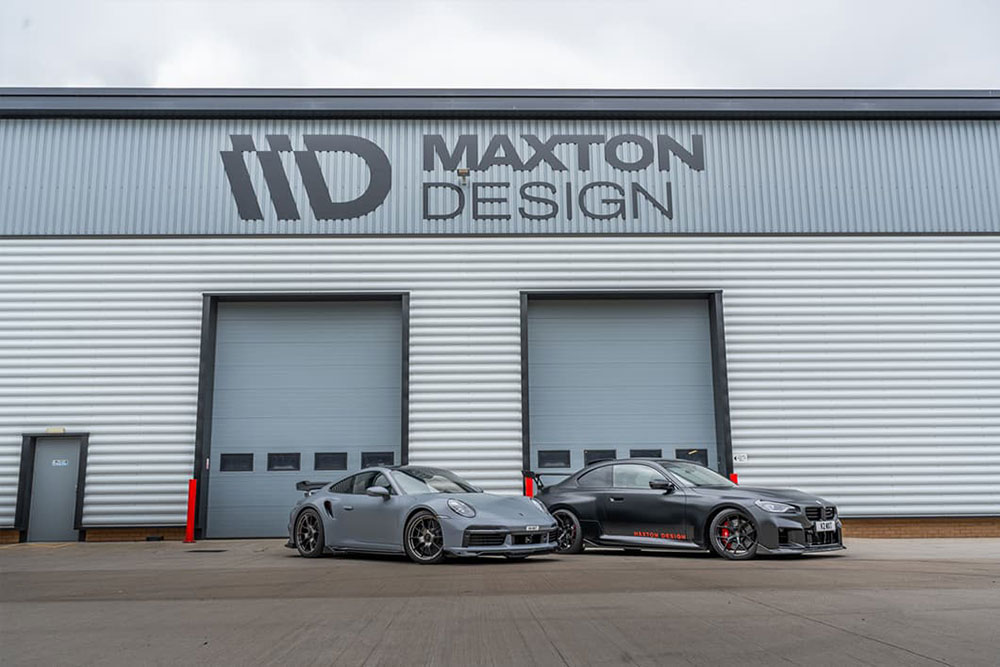

Fashion and car culture have always borrowed from each other. Both are about proportion, detail and the quiet signals that tell other people who you are. Over the last decade, the way people style their cars has started to look a lot like the way they dress: less costume, more tailoring. The loud, bolt-on body kits of the early 2000s have given way to parts that sharpen a car’s existing lines instead of replacing them.
From costume to tailoring
For years, modifying a car meant making it unmistakably modified. Huge rear wings, wide plastic arches and bumpers that bore no relation to the original design were the point. That look still has its fans, but the center of gravity has moved. Many enthusiasts now want a car that looks as if it could have left the factory that way, only sharper. The scene calls it OEM+, and it is the automotive equivalent of a well-cut suit: familiar shapes, better fit, a few deliberate details.
Social media changed the standard
Instagram, TikTok and YouTube have turned every parking lot meet into a runway. Builds are photographed from every angle, compared and critiqued in seconds. That scrutiny rewards cohesion. A car with a clean front splitter, matching side skirts and a subtle rear diffuser photographs better than one with mismatched parts from three different catalogs, and owners have noticed. The result is a culture that values restraint, consistency and fit as much as visual impact.
The pieces that do the work
A modern styling build usually starts with a handful of parts. A front splitter lowers the visual line of the nose and makes the car look wider and more planted. Side skirts connect the front to the rear, so the car reads as one shape instead of three separate ends. A rear diffuser fills the space under the bumper and finishes the back of the car, while a small spoiler extension sharpens the trunk or tailgate line.
None of these parts transform a car on their own. Together, chosen from the same range and in the same finish, they change its whole attitude. It is the same principle as building an outfit around a few well-chosen pieces rather than one loud statement.
Fit is the new luxury
In fashion, fit separates something expensive from something that merely looks expensive. Car styling works the same way. A splitter that leaves an uneven gap or a side skirt that does not follow the sill line ruins the look, however good the part seemed in a photo.
That is why serious owners now shop by exact model, generation and trim. A BMW 3 Series with an M Sport bumper needs different parts from a standard car, and a facelifted Golf often needs different parts from the earlier version. The best listings state this clearly, and the best owners read those notes carefully before ordering.
Materials and finishes
Gloss black ABS plastic has become the default finish for OEM+ styling. It is tough, lightweight, and matches the black trim already found on most modern cars, so it works with almost any paint color. Carbon fiber sits in a different tier: lighter, more expensive and with a visible weave that suits builds already using carbon details. Neither is the better choice in every case. Like fabric in a wardrobe, the right one depends on the rest of the look.
Style first, honesty about performance
Styling parts are often marketed with talk of downforce and stability. On a road car driven at legal speeds, the real benefit of a splitter or diffuser is visual, with only a modest effect on airflow. That is not a criticism. Most people choose these parts because of how they make the car look, and that is a perfectly good reason. The brands that earn trust are the ones that are clear about it.
A brand that grew with the shift
One of the brands that has grown with this shift is Maxton Design, a styling brand based in Poland, where its parts are designed and manufactured. In Britain, the range is sold through Maxton Design UK, the authorized UK dealer, which handles sales, fitment questions and delivery for British customers. The brand is best known for splitters, side skirts, diffusers and spoiler extensions designed for specific models and generations, which suits the way today’s owners shop: car first, part second.
Where car styling goes next
As manufacturers give more standard models sporty bodywork, the space for radical transformation shrinks and the space for refinement grows. Electric cars, with their smooth surfaces and minimal grilles, are already becoming new canvases for subtle styling. The direction is clear: fewer statement pieces, more precision, and a growing expectation that every part on the car looks like it belongs there. In that sense, car styling has caught up with fashion. The best looks are the ones that seem effortless, even when they are anything but.